
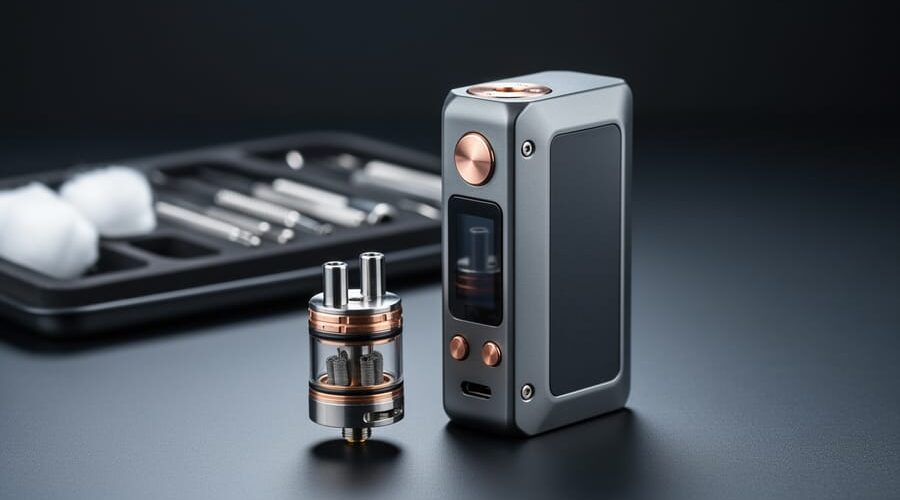
Advanced vaping devices are high-performance systems that let you control wattage, temperature, and airflow with precision to customize vapor production, flavor intensity, and throat hit. Unlike the simple pod systems that works for beginners these sophisticated setups use replaceable batteries, rebuildable coil decks, and chipsets capable of firing from 5 to 200+ watts. The payoff is significant: you get richer flavor, bigger clouds, and the ability to fine-tune every aspect of your experience.
But that control comes with responsibility. Advanced devices require understanding battery safety, Ohm’s law, coil building, and proper wicking techniques. You’ll need to invest more time in maintenance and setup, and the upfront cost is considerably higher than entry-level gear. Most experienced vapers make the jump because they’ve hit the limits of their starter kits and want more than what preset power modes can deliver.
This guide breaks down exactly what separates advanced devices from basic ones, compares the main types available in 2026, and walks you through the key factors that should drive your buying decision. Whether you’re eyeing a dual-battery regulated mod, considering your first rebuildable atomizer, or trying to decide if squonking makes sense for your vaping style, you’ll find concrete recommendations tailored to different experience levels and budgets. We’ll also cover the mistakes that trip up most people making this upgrade, so you can skip the expensive learning curve and get straight to a setup that actually matches your needs.
What Makes a Vaping Device ‘Advanced’?
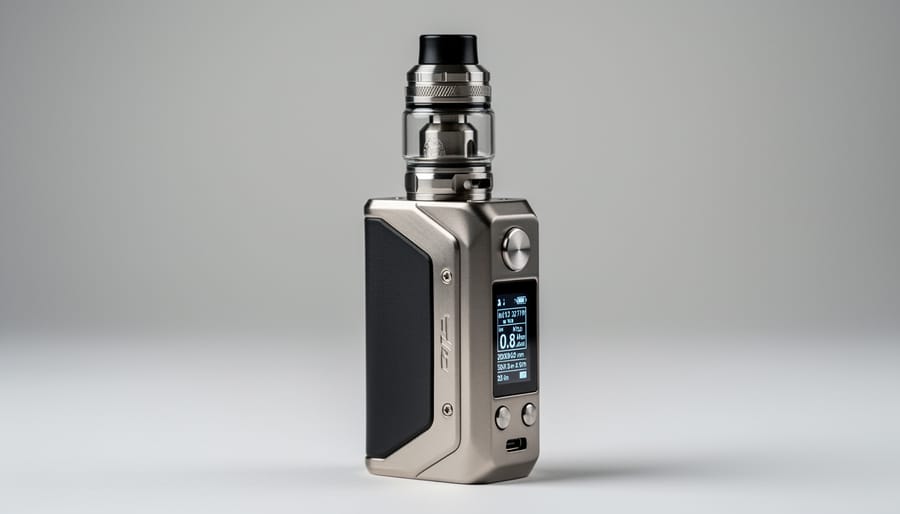
An advanced vaping device isn’t defined by price or brand hype, it’s distinguished by the level of control it offers over your vaping experience. While starter kits and basic vape pens operate on fixed or limited settings designed to be foolproof, advanced devices put meaningful customization in your hands. They let you adjust power output, fine-tune temperature, switch between different vaping modes, and often rebuild components to match your exact preferences.
The most obvious difference is power capability. Advanced devices typically feature variable wattage ranging from 5W up to 200W or more, powered by external high-drain batteries (usually 18650s, 20700s, or 21700s) rather than small internal cells. This raw power enables both massive vapor production and the flexibility to run different coil resistances efficiently. You’re not locked into a single experience, you can run a mouth-to-lung setup at 15W one day and switch to a sub-ohm cloud setup at 80W the next.
The chipset is another defining element. Advanced devices use sophisticated boards from manufacturers like DNA, GENE, or Axon that provide temperature control, custom power curves, preheat functions, and comprehensive safety protections. These chips don’t just prevent disasters, they let you create profiles tailored to specific tanks or wire types, delivering consistent performance that basic devices can’t match.
Rebuildable capability sets the most advanced tier apart entirely. Devices compatible with RDAs, RTAs, or RDTAs let you wrap your own coils, choose your wicking material, and dial in airflow exactly how you want it. This requires knowledge and effort, but rewards you with superior flavor, vapor production, and ongoing cost savings compared to buying pre-made coils.
For experienced vapers, these features matter because they remove limitations. You’re no longer guessing whether a device can handle your preferred vaping style, you’re actively shaping that style through deliberate choices about power, temperature, coil builds, and airflow. That control is what makes a device truly advanced.
Types of Advanced Vaping Devices Compared
Box Mods (Regulated and Mechanical)
Box mods represent the backbone of advanced vaping, offering significantly more power and features than pod systems or the disposable vs reusable devices beginners typically start with.
Regulated box mods come equipped with circuit boards that provide essential safety protections and variable settings. You can adjust wattage, voltage, and often temperature, while built-in safeguards prevent short circuits, overheating, and battery mishaps. Most regulated mods feature OLED screens displaying your settings, battery life, and resistance readings. They typically accommodate one to three external batteries and range from 80W to well over 200W, giving you precise control over vapor production and warmth. These are ideal for intermediate to advanced vapers who want customization without compromising safety.
Mechanical mods, by contrast, have no circuitry whatsoever. They deliver raw battery power directly to the atomizer without regulation or protection. This makes them extremely powerful but also potentially dangerous. You must understand Ohm’s law, battery limits, and coil building intimately before touching a mechanical mod. There are no safety cutoffs, no reverse battery warnings, and no forgiveness for mistakes. Only experienced vapers with solid electrical knowledge should consider mechanicals.
For most people stepping up from basic devices, a quality regulated box mod provides the perfect balance of power, safety, and customization.
Pod Mods and Advanced Pod Systems
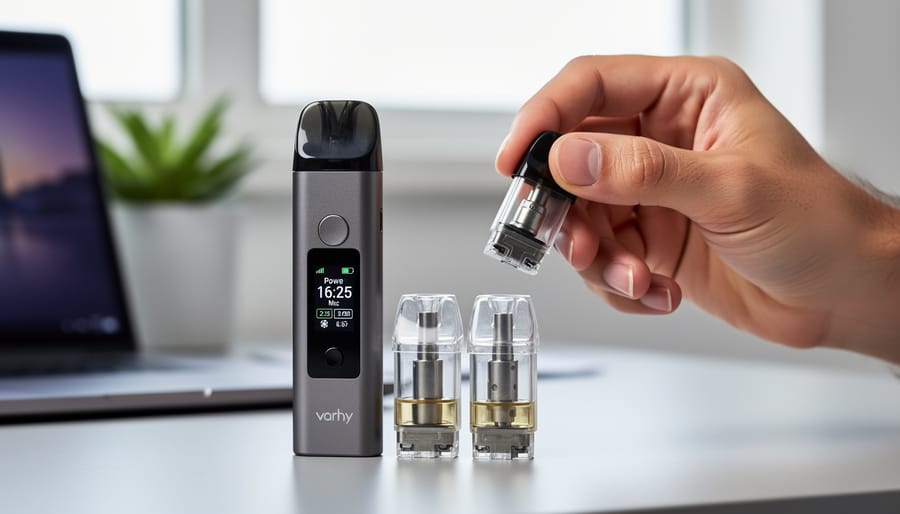
Pod mods sit in that sweet spot between portable convenience and genuine performance control. Unlike the disposable pod systems you’d pick up at a gas station, advanced pod devices pack adjustable wattage (typically 40-80W), removable batteries or substantial built-in cells (2000mAh+), and refillable pods that accept various coil resistances.
What separates these from basic pods? Real customization. You can dial in your preferred wattage, swap between MTL and restricted-DL coils in seconds, and access airflow adjustments that actually change the draw. Many high-end pod mods now include chipsets with safety protections, OLED displays, and even basic temperature control, features you’d expect from box mods, just in a pocket-friendly form factor.
The trade-off is they’re pricier than throwaway pods and require more involvement. You’ll buy replacement coils or rebuild (some support RBA decks), refill regularly, and charge batteries. But for vapers who want portability without sacrificing control, these devices deliver. They’re particularly smart choices if you’re transitioning from cigarettes but know you’ll want more power eventually, or if you’re an experienced vaper who needs something grab-and-go that still performs.
Squonk Mods
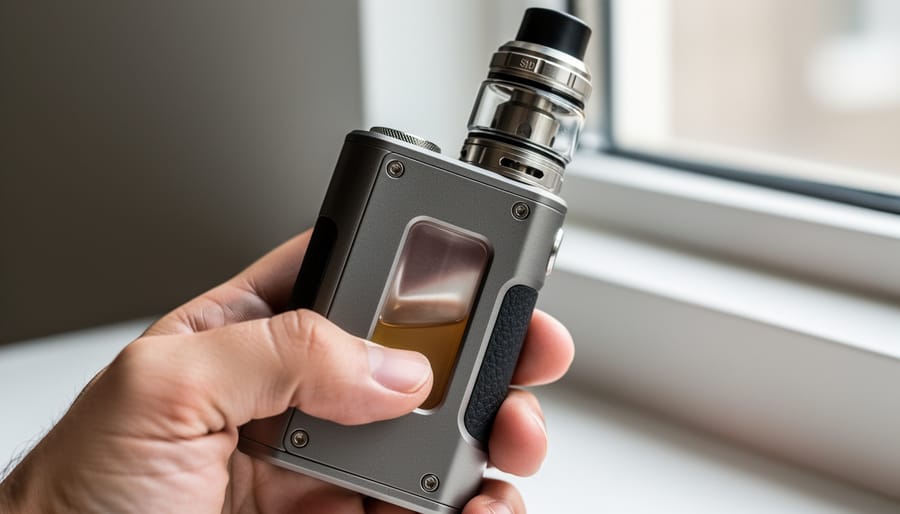
Squonk mods solve a longstanding problem for RDA users: constant dripping. These devices feature a built-in squeezable bottle, usually 7-10ml capacity, that sits inside the mod and connects to a special bottom-fed RDA through a hollow 510 pin. When you squeeze the bottle, e-liquid travels up through the pin directly onto your coils and wicking material. It’s dripping without the dripping.
Enthusiasts love squonking because it combines the superior flavor and vapor production of RDAs with the convenience of a tank system. You get intense flavor from an RDA setup while carrying enough e-liquid for an entire day. The mechanism is remarkably simple and reliable, fewer parts mean fewer failure points compared to traditional tank systems.
Most squonk mods are regulated devices offering standard safety features and variable wattage, though mechanical squonkers exist for experienced users. Bottles are typically silicone and easy to refill or replace. The downside? You’ll need bottom-feed compatible RDAs, and the learning curve includes both coil building and proper squonking technique, oversqueeze and you’ll flood your deck. For vapers who’ve mastered RDAs but want practical everyday usability, squonking delivers.
Temperature Control and DNA Chip Devices
Temperature control (TC) devices use sophisticated chipsets to regulate coil temperature rather than just wattage, preventing dry hits and delivering remarkably consistent flavor. DNA chips from Evolv set the industry standard here, offering precision to within a few degrees and allowing you to create custom power curves that ramp up gently or hit hard at specific points in your draw. These boards also track puff duration, battery health metrics, and even calculate total puffs per coil, integrating lithium-ion battery safety mechanisms that protect against overheating and voltage irregularities.
This level of control suits flavor chasers who want to dial in the sweet spot for specific e-liquids, as well as vapers who’ve experienced burnt cotton one too many times. The trade-off is cost, DNA devices typically run $100 to $200, double what you’d pay for a standard regulated mod, and complexity. You’ll spend time adjusting TCR values for different wire types and tweaking curves through desktop software. If you’re satisfied with straightforward wattage vaping, TC won’t revolutionize your experience. But if you geek out over repeatability and want every puff identical to the last, a quality temperature control device delivers measurable results.
Rebuildable Atomizers (RDAs, RTAs, RDTAs)
Rebuildable atomizers represent the pinnacle of vaping customization, letting you build and install your own coils rather than buying pre-made ones. RDAs (Rebuildable Dripping Atomizers) deliver exceptional flavor by dripping e-liquid directly onto coils, though you’ll redrip every 10-15 puffs. RTAs (Rebuildable Tank Atomizers) combine rebuildable decks with juice reservoirs for convenience without constant dripping. RDTAs split the difference, positioning the build deck above a small tank.
The learning curve is real, you’ll need to master coil wrapping, wicking techniques, and ohm calculations. Expect frustration during your first few builds. Once proficient, you’ll slash ongoing costs (wire and cotton cost pennies per build versus several dollars per coil head) and unlock performance that pre-built coils can’t match. You’ll control exact coil resistance, wire material, and wicking density to dial in your ideal vape.
Key Features to Consider When Choosing
Power Output and Battery Capacity
Advanced vaping devices typically offer power outputs ranging from 50 to 300+ watts, though most vapers find their sweet spot between 60-150W. The wattage you’ll actually use depends entirely on your coil resistance and preferred vaping style, low-resistance sub-ohm coils (0.1-0.5Ω) demand higher wattages for adequate vapor production, while higher-resistance builds work perfectly at lower settings.
Battery configuration directly impacts how long your device lasts and what power it can safely deliver. Single-battery mods max out around 80-100W realistically, making them suitable for moderate vaping but limiting for power users. Dual-battery devices comfortably handle 150-200W and provide all-day battery life for most vapers. Triple-battery mods push beyond 200W and can last days, but they’re bulkier and really only necessary if you’re consistently vaping above 150W or refuse to charge daily.
Match your setup to reality: if you’re vaping at 70W, don’t buy a 300W triple-battery beast. You’ll carry unnecessary weight. Conversely, pushing a single-battery mod to its limit constantly degrades battery life fast and creates safety risks through excessive strain.
Chipset Quality and Safety Features
A quality chipset is the brain of any regulated advanced vaping device, controlling everything from power delivery to safety monitoring. Unlike basic devices with simple circuits, advanced chipsets from manufacturers like Evolv, Yihi, and Gene offer precise output regulation, faster firing speeds, and comprehensive safety protocols that actively protect you during use.
Essential safety features should be non-negotiable. Short circuit protection prevents firing when there’s a wiring problem. Overheat protection shuts down the device if temperatures exceed safe limits. Reverse battery protection stops operation if batteries are inserted incorrectly. Low voltage cutoff preserves battery health and prevents dangerous over-discharge. These aren’t marketing buzzwords, they’re critical safeguards that can prevent battery venting, device damage, or injury.
Firmware upgradeability adds significant value. Devices with USB-updatable firmware can receive bug fixes, new features, and improved performance long after purchase. This extends device lifespan and ensures compatibility with emerging coil technologies. Before buying, check manufacturer support history, brands that regularly update firmware demonstrate ongoing commitment to safety and user experience.
Build Quality and Materials
The materials used in your device directly impact how long it lasts and how safely it performs. Most quality mods use zinc alloy frames because they balance durability with lighter weight, while stainless steel offers superior strength but adds heft. You’ll also find resin panels on many devices, providing grip and protecting against minor drops without adding bulk.
Check that all components fit together tightly without gaps or wobbling. Loose battery doors or threading issues aren’t just annoying, they create safety risks through poor electrical connections. Quality devices feature reinforced 510 connections that won’t strip after repeated tank changes, and battery vents that actually function if thermal runaway occurs.
Avoid devices with flimsy plastic construction or painted finishes that chip within weeks. The extra cost for solid construction pays off when your mod survives daily pocket carry and the occasional drop, rather than cracking at the first impact.
Customization and Control Options
Advanced devices offer control options that genuinely affect your vaping experience, but not every feature will matter to every user.
Variable wattage is the most practical adjustment you’ll use. It directly controls vapor production and throat hit by changing the power delivered to your coil. Start low and increase gradually until you find your sweet spot. Most vapers settle on a wattage range and rarely change it.
Variable voltage serves the same purpose as wattage but requires more manual calculation. Modern devices calculate this automatically through wattage mode, making voltage adjustment largely obsolete for most users.
Temperature control modes prevent dry hits and burned cotton by limiting coil temperature. You’ll need compatible coils (stainless steel, nickel, or titanium) and must set the correct material type. TC works brilliantly for consistent flavor and extending coil life, but it requires some experimentation to dial in properly.
TCR values (Temperature Coefficient of Resistance) let you fine-tune temperature control for specific wire types or mixed materials. Most vapers never need this level of precision unless building exotic coils.
Custom power curves allow you to program different wattages throughout your draw. This creates a ramping effect that can improve flavor, but it’s genuinely useful only for specific coil types and personal preferences, not something every vaper needs.
Tank Compatibility and Coil Options
Even the most powerful mod becomes frustrating if you can’t find compatible tanks or replacement coils. Standard 510 threading is nearly universal on advanced devices, meaning most tanks will physically attach, but check whether your mod’s chipset can detect and support the resistance range of your preferred coils. Sub-ohm tanks requiring 0.15Ω coils won’t perform well on devices that cap at 80W.
Coil availability matters more than most buyers realize. Popular brands like SMOK, Voopoo, and Uwell maintain broad coil selections at most vape shops, while boutique tanks might leave you ordering online and waiting days between coil changes. Decide whether you want pre-built coils for convenience or rebuildable decks for cost savings and customization, many advanced tanks offer both options through swappable deck systems.
Airflow control directly affects both flavor and vapor production. Look for tanks with adjustable bottom airflow that you can fine-tune to match your wattage and coil build, rather than fixed-airflow designs that lock you into one vaping style.
Recommended Advanced Devices for Different Needs
Best for Transitioning Vapers
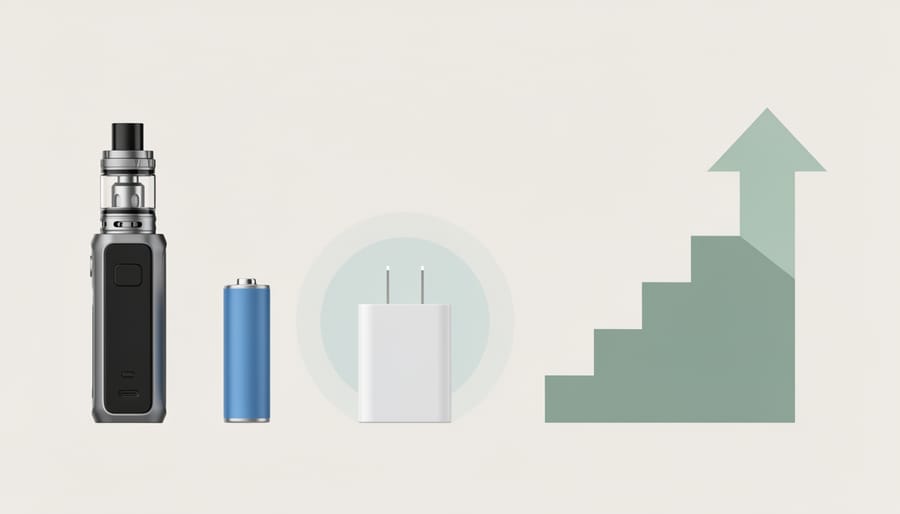
For vapers ready to graduate from basic pod systems or vape pens, look for regulated box mods with simple menu systems and clear displays. The Vaporesso Gen 200 and GeekVape Aegis Legend 2 both offer dual-battery power and variable wattage without intimidating features like TCR curves or replay modes. They come with sub-ohm tanks that accept widely available coils, so you won’t need to build anything yourself.
Start with devices between 80W and 200W that use external batteries, this gives you upgrade flexibility without forcing you to learn complex settings immediately. Choose mods with automatic wattage recommendations based on coil resistance, which takes the guesswork out of dialing in settings. Avoid mechanical mods and rebuildable atomizers at this stage; stick with pre-built coil tanks that let you experiment with different resistances and wattage ranges safely while you develop your preferences and understanding of how these variables affect vapor and flavor.
Best for Cloud Chasers
Cloud chasing demands devices that can deliver sustained high wattage without compromising battery life or safety. Look for dual or triple battery configurations capable of pushing 150-200+ watts, single-battery mods simply can’t maintain the power needed for massive vapor production throughout the day.
Dual-coil sub-ohm tanks with wide-bore drip tips and adjustable bottom airflow are essential for cloud production. The airflow needs to be completely unrestricted to handle the volume of vapor you’re creating. Many cloud chasers prefer RDAs over tanks because they eliminate restrictions entirely and allow for custom coil builds optimized for vapor density.
The chipset matters more than you’d think. Quality boards maintain consistent power delivery even as batteries drain, preventing that frustrating drop-off in cloud size mid-session. Temperature control modes can also help optimize vapor production while preventing dry hits during long draws.
Expect to carry spare batteries, cloud chasing drains power fast, and you’ll likely swap cells multiple times daily.
Best for Flavor Enthusiasts
Flavor enthusiasts need devices that deliver precise, nuanced taste rather than massive clouds. The Vandy Vape Swell Kit paired with a quality single-coil RTA like the Kayfun Prime offers exceptional flavor accuracy through restricted airflow and focused vapor delivery. Its 188W maximum power might seem modest, but flavor builds rarely exceed 40-60W.
Temperature control significantly enhances flavor by preventing dry hits and maintaining consistent coil temperature. The Lost Vape Thelema DNA250C features Evolv’s premium chipset with precise TC modes that preserve delicate flavor notes, particularly valuable with dessert and complex fruit blends. Set it between 380-420°F for optimal taste without burnt edges.
Single-coil RTAs consistently outperform dual-coil setups for pure flavor because the vapor path is more concentrated. The Dovpo Topside Dual squonk mod combined with a flavor-focused RDA like the Hadaly Clone creates an unbeatable pairing. Smaller chamber volumes (14-16mm) and bottom airflow directed at the coil produce the cleanest, most accurate flavor reproduction available in advanced vaping devices.
Best for Portability and Convenience
Traveling vapers and those who prefer pocket-friendly setups don’t have to compromise on advanced features. Modern compact devices pack sophisticated chipsets and solid performance into surprisingly small form factors.
High-end pod mods like the Voopoo Drag series and Vaporesso LUXE PM40 deliver variable wattage, responsive draw activation, and OLED displays while remaining smaller than most smartphones. These devices typically house 1500-2000mAh batteries and support both pre-built coils and rebuildable decks, giving you flexibility without bulk.
For slightly more power, single-battery box mods offer the best size-to-performance ratio. Look for devices under 80mm tall with magnetic battery doors for quick swaps. Many feature USB-C charging, so you can top up throughout the day without carrying a separate charger.
The trade-off is battery life, expect to recharge daily with moderate use or carry a spare 18650. Prioritize devices with efficient chipsets that maximize battery performance and quick charge capabilities above 1.5A for minimal downtime.
Common Mistakes to Avoid
Buying Beyond Your Experience Level
Mechanical mods and advanced rebuildables might look impressive, but they’re genuinely risky if you don’t understand Ohm’s Law, battery limitations, and coil building fundamentals. Without regulated safety features, a mechanical mod won’t stop you from creating a dangerous short circuit or pushing batteries beyond safe amp limits, mistakes that can lead to venting or thermal runaway.
Start with regulated devices that include protections like short-circuit prevention, low-voltage cutoff, and overheating safeguards. These aren’t training wheels; they’re essential safety nets while you develop knowledge. Learn battery safety, practice coil building on regulated mods with rebuildable decks, and understand the physics before removing those protections. There’s no shame in taking this progression seriously, experienced vapers respect the learning curve because they’ve seen what happens when it’s rushed.
Ignoring Battery Safety
Advanced vaping devices demand high-drain batteries that can handle intense power output, making battery safety non-negotiable. Cheap or counterfeit batteries can vent, leak, or even explode under the strain of high-wattage vaping. Always buy authentic cells from reputable brands like Samsung, Sony, or LG through trusted vendors, never from auction sites where counterfeits run rampant.
Inspect battery wraps before every use. A torn or damaged wrap exposes the metal casing, creating short circuit risks when batteries touch each other or metal contacts. Rewrap immediately if you spot any damage, rewrapping supplies cost pennies compared to potential injuries.
Use a dedicated external charger rather than USB charging for devices with removable batteries. External chargers balance cells properly and prevent the overheating issues that plague onboard charging circuits under heavy use.
Never carry loose batteries in pockets or bags where keys or coins can bridge the contacts. Use protective cases designed for battery storage. These basic precautions separate safe vaping from headlines about battery incidents.
Overlooking Maintenance Requirements
Advanced devices demand consistent upkeep that catches many upgraders off guard. Box mods need weekly cleaning to prevent e-liquid buildup around the 510 connection, which can cause poor contact and misfires. Rebuildable atomizers require disassembly, cleaning, and coil replacement every one to two weeks depending on your e-liquid (sweet flavors gunk faster). You’ll spend time trimming cotton, checking coil resistance, and ensuring everything seats properly. Temperature control devices need periodic recalibration. Battery contacts oxidize and need cleaning. Pod mods with replaceable coils seem simpler, but their magnetic connections still need maintenance. If you’re not willing to dedicate 15-30 minutes weekly to device care, stick with lower-maintenance options. Neglected advanced devices perform poorly and can become unsafe.
Choosing Based on Looks Alone
While an eye-catching design certainly adds to the enjoyment of your device, choosing an advanced vape based solely on appearance is a recipe for disappointment, or worse, safety issues. That sleek resin panel or LED light show means nothing if the chipset lacks proper protections or the 510 connection is poorly machined. Prioritize reliable brands with proven track records, quality construction, and the features that match your vaping style. The aesthetics should be the final consideration after you’ve verified performance, safety certifications, and build quality. A device that looks fantastic but fires inconsistently or lacks short-circuit protection isn’t worth the risk.
Essential Accessories and Extras
Advanced vaping devices won’t reach their full potential without the right supporting gear. While your mod or device forms the foundation, several accessories transform it from a purchase into a complete vaping setup. Understanding what you truly need versus what wastes money helps you build a functional, safe kit without overspending.
- External batteries and cases: High-drain 18650, 20700, or 21700 cells from trusted brands like Samsung, Sony, or LG, plus protective silicone cases for safe transport
- Dedicated battery charger: Quality external charger (Nitecore, XTAR, Efest) with overcharge protection and individual bay monitoring
- Coil building toolkit: Wire cutters, ceramic tweezers, coiling rods or jigs, and wire for rebuildable atomizers
- Organic cotton: Japanese cotton pads or strips for wicking coils in RTAs and RDAs
- Spare glass tanks and O-rings: Replacement parts prevent downtime when tanks crack or seals degrade
- Precision screwdrivers: Small Phillips and flathead sets for adjusting posts and tightening components
- Ohm meter: Essential for mechanical mod users to check coil resistance before firing
Less critical but genuinely useful items include a vape stand to organize your setup, drip tips in different materials for comfort preferences, and portable carrying cases. Battery wraps and a wrap installation tool matter for safety, letting you re-sleeve damaged batteries rather than replacing them. Cleaning supplies like microfiber cloths, cotton swabs, and isopropyl alcohol keep contacts clean and performance consistent.
For rebuildable enthusiasts, pre-made coils offer convenience when you don’t want to build, while different wire types (Kanthal, nichrome, stainless steel) expand your vaping options. Skip gimmicky tools and focus on quality basics that genuinely improve safety, convenience, or performance.
Frequently Asked Questions
Understanding advanced vaping devices often raises practical questions about safety, investment, and whether you’re ready to make the leap from basic equipment. Here are the answers to what buyers want to know before committing to more sophisticated hardware.
Do I actually need an advanced vaping device?
You need an advanced device if you’re finding basic reusable systems limiting, want more control over your vaping experience, or you’re comfortable learning about battery safety and maintenance. Beginners satisfied with their current setup should stick with what works until they outgrow it.
How much should I expect to spend on a quality advanced device?
Quality regulated box mods typically range from $50 to $150, while high-end DNA chip devices can cost $150 to $250. Budget another $30 to $80 for batteries, a charger, and quality tanks or rebuildable atomizers, putting total startup costs between $100 and $350 depending on your choices.
Are mechanical mods safe for someone moving up from basic devices?
No, mechanical mods have no safety protections and require extensive knowledge of Ohm’s Law, battery limits, and coil building before they’re safe to use. New users should start with regulated devices that include short circuit protection, overheating safeguards, and automatic cutoffs.
What’s the learning curve like for advanced devices?
Regulated box mods with pre-built coils have a minimal learning curve, maybe a week to understand wattage adjustments and settings. Rebuildable atomizers and temperature control require several weeks to months of practice building coils, wicking properly, and fine-tuning settings for optimal performance.
How long do advanced vaping devices typically last?
Quality regulated mods last two to five years with proper care, though you’ll replace batteries every year or two as they degrade. Rebuildable atomizers can last indefinitely since you replace only coils and wicking material, making them more economical long-term despite higher upfront costs.
Can I use my existing vape juice with advanced devices?
Yes, but you may want to adjust your nicotine strength and VG/PG ratio based on power levels. High-wattage devices work best with lower nicotine (3mg to 6mg) and higher VG content for smooth hits, while the same 12mg juice that worked in a basic pen might be too harsh at 80 watts.
The decision to upgrade should match your actual needs rather than perceived status in the vaping community. If you’re genuinely frustrated by limited battery life, want precise control over vapor temperature, or find yourself interested in the technical aspects of coil building, advanced devices make sense. But if your current setup satisfies your nicotine needs and you’re vaping primarily to stay off cigarettes, there’s no shame in sticking with simpler equipment that works reliably.
Consider your willingness to invest time in learning, not just money in hardware. Advanced devices reward those who enjoy tinkering and optimizing their setup, but they punish carelessness with poor performance or safety risks. Start with the least complex advanced option that meets your goals, master it completely, then move up if you’re still wanting more capability.
Choosing an advanced vaping device isn’t about finding the most powerful or feature-packed option, it’s about matching the right tool to your experience level and vaping goals. If you’re transitioning from a basic setup, prioritize user-friendly devices with safety features and gradual control adjustments rather than jumping straight to mechanical mods or complex rebuildables. The devices covered in this guide represent significant investments in both money and learning, so take time to understand what each feature actually does for your vaping experience.
Safety should anchor every decision you make. Quality batteries, proper charging practices, and devices with reliable chipsets aren’t optional extras, they’re essential protections. Don’t let aesthetics or price alone drive your choice when your safety depends on what’s inside the device. Similarly, be realistic about maintenance commitments. Advanced devices reward hands-on users who enjoy tinkering, but they’ll frustrate anyone expecting plug-and-play simplicity.
Before you buy, research the specific device thoroughly. Read user experiences beyond marketing claims, understand what accessories you’ll need, and confirm that replacement coils or parts are readily available. Many vapers also explore other products alongside their devices; for instance, some investigate whether CBD causes diarrhea when trying various consumption methods, or review the best CBD pre-rolls available. The right advanced device grows with your skills and enhances your enjoyment for years, rushing the decision typically means replacing it sooner than necessary.