
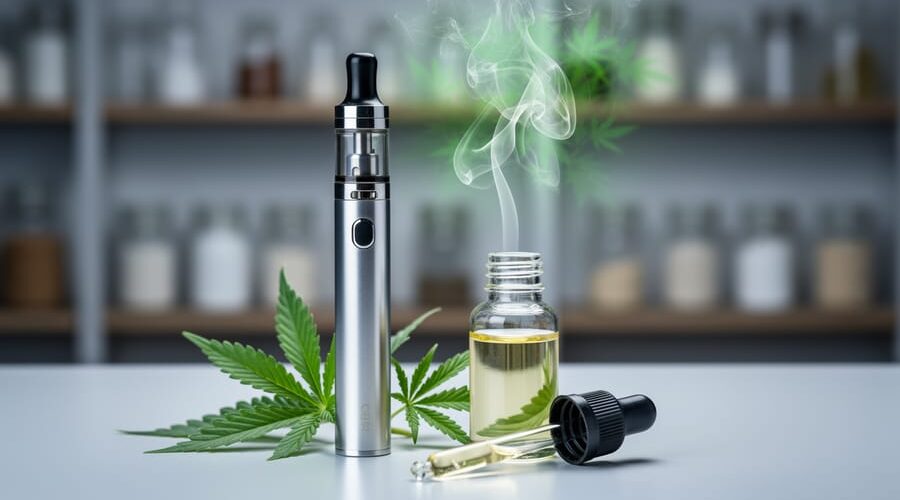
Hemp-derived CBD vape products deliver cannabidiol from industrial hemp through inhalation, offering one of the fastest methods to experience CBD’s potential effects. Unlike marijuana-derived CBD products, hemp CBD contains less than 0.3% THC, making it federally legal and non-intoxicating.
If you’re researching whether CBD vaping is right for you, you’re probably wondering what makes this delivery method different from oils or edibles. The answer comes down to bioavailability and speed. When you vape CBD, it enters your bloodstream through your lungs in minutes rather than the hour or more required for oral products to work through your digestive system. This rapid onset matters if you’re seeking quick relief from occasional discomfort or stress.
But speed isn’t the only consideration. The quality of your source matters just as much. A premium hemp brand will provide third-party lab testing, transparent ingredient lists, and clear sourcing information, which you won’t always find from every manufacturer flooding the market.
This guide breaks down exactly what hemp-derived CBD vapes are, how they work in your body, the different product types you’ll encounter, and the potential benefits backed by current research. We’ll also cover what the science actually says versus marketing hype, safety considerations you need to know, and practical guidance for choosing products that match your needs. Whether you’re new to CBD entirely or simply exploring vaping as an alternative delivery method, you’ll find straightforward answers without the overselling or confusing jargon that clutters most CBD information online.
What Hemp-Derived CBD Vape Actually Means
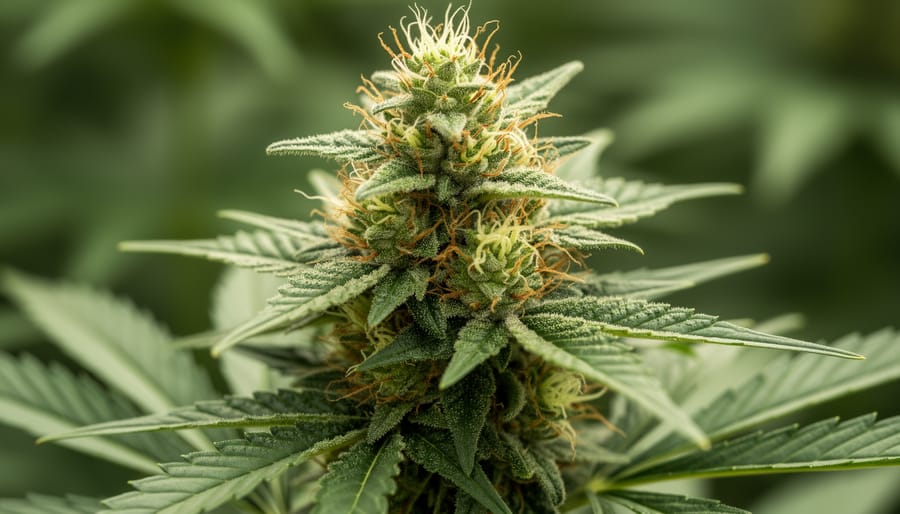
Hemp-derived CBD vape products contain cannabidiol extracted from industrial hemp plants, specifically cannabis plants that contain no more than 0.3 percent THC by dry weight. This legal distinction matters because it separates hemp from marijuana, which contains higher THC concentrations and remains federally restricted in many contexts. When you see “hemp-derived” on a CBD vape label, it means the manufacturer sourced the cannabidiol from legally cultivated hemp rather than marijuana plants, making the product legal under federal law in most jurisdictions as of 2026.
The extraction process pulls CBD and other compounds from hemp flower and leaves using methods like CO2 extraction or ethanol extraction. Manufacturers then formulate this extract into vape-ready liquid by mixing it with carrier liquids such as vegetable glycerin and propylene glycol, along with optional flavoring agents. The result is a product designed specifically for inhalation through vaping devices, allowing the CBD to be absorbed rapidly through the lungs.
Understanding what you’re getting requires knowing a few basic terms:
- Hemp-Derived
- CBD sourced from cannabis plants meeting the USDA hemp THC threshold of 0.3 percent or less, making it federally legal. This is the legal classification that distinguishes hemp products from marijuana products.
- CBD Isolate vs. Full-Spectrum
- Isolate contains only pure CBD with other compounds removed, while full-spectrum includes additional cannabinoids, terpenes, and trace THC from the hemp plant. Broad-spectrum sits between these, containing multiple compounds but with THC removed.
- Vape Juice/E-Liquid
- The liquid formulation containing CBD mixed with carrier liquids like PG and VG that creates vapor when heated. This is what actually goes into your vaping device.
- Cannabinoids
- Chemical compounds found in cannabis plants, with CBD and THC being the most well-known. Hemp contains over 100 different cannabinoids in varying concentrations.
- Terpenes
- Aromatic compounds that give hemp its scent and flavor, also believed to contribute to effects through interaction with cannabinoids. Common terpenes include myrcene, limonene, and pinene.
The “hemp-derived” label serves as both a legal marker and a signal about what the product doesn’t contain. Because hemp naturally produces minimal THC, these products won’t cause intoxication. You get the potential benefits of CBD without the psychoactive effects associated with marijuana products. This distinction has opened CBD vaping to people who want cannabinoid support without getting high or running afoul of drug testing policies.
How CBD Vaping Works in Your Body
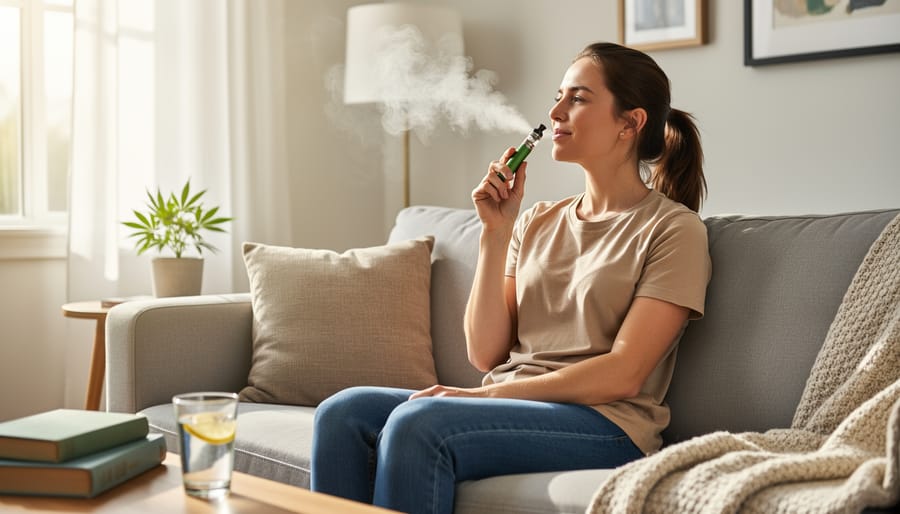
When you inhale CBD vapor, you’re using one of the fastest and most efficient delivery methods available. The vapor carries CBD molecules directly into your lungs, where they pass through the thin alveolar membrane and enter your bloodstream almost immediately. This is fundamentally different from swallowing CBD oil or edibles, which must travel through your digestive system and liver before reaching circulation.
The speed advantage is significant. Most people feel initial effects within 2 to 15 minutes of vaping CBD, with peak effects occurring around 30 minutes. Compare that to CBD capsules or tinctures taken orally, which typically require 30 to 90 minutes before you notice anything. The duration is shorter with vaping, usually lasting 2 to 4 hours, versus the 4 to 8 hours you might get from edibles, but the trade-off is the rapid onset.
Bioavailability is where vaping really shines. When you vape CBD, roughly 34% to 56% of what you inhale actually makes it into your bloodstream. That’s a substantial improvement over oral consumption, where first-pass metabolism in the liver reduces bioavailability to just 6% to 20%. In practical terms, a 25mg dose vaped delivers more usable CBD than a 50mg dose swallowed.
Once CBD enters your bloodstream, it interacts with your endocannabinoid system, a network of receptors throughout your body that helps regulate functions like pain perception, mood, sleep, and immune response. CBD doesn’t bind directly to CB1 and CB2 receptors the way THC does. Instead, it works more subtly, influencing how your body uses its own endocannabinoids and interacting with other receptor systems, including serotonin and vanilloid receptors. This indirect mechanism is why CBD produces relaxation and relief without the intoxicating effects associated with THC.
Types of Hemp-Derived CBD Vape Products
CBD Vape Juice and E-Liquid Formulations
CBD vape juice comes in three main formulation types, each offering a different cannabinoid profile. CBD isolate e-liquids contain pure CBD with all other cannabis compounds removed, making them the simplest option and ideal if you want to avoid even trace amounts of THC. Broad-spectrum formulations include CBD plus other beneficial hemp compounds like minor cannabinoids and terpenes, but with THC removed entirely. Full-spectrum e-liquids contain the complete range of naturally occurring hemp compounds, including up to 0.3% THC, enough to create what researchers call the “entourage effect,” where cannabinoids work together synergistically, but not enough to produce intoxication.
The base liquid matters as much as the CBD type. Most vape juices use a blend of propylene glycol (PG) and vegetable glycerin (VG). Higher PG ratios (like 70/30 PG/VG) deliver stronger throat hit and better flavor, while higher VG ratios (like 70/30 VG/PG) produce thicker vapor clouds and smoother inhales. A balanced 50/50 split works well in most devices.
CBD concentrations typically range from 100mg to 1000mg per 30ml bottle, though some brands offer higher strengths. Lower concentrations (100-300mg) suit casual users or those new to CBD, while experienced users often prefer 500mg or higher. Flavorings vary widely, from cannabis-derived terpene profiles that enhance the entourage effect to fruit, dessert, or mint flavors that mask the natural hemp taste.
Device Options for CBD Vaping
When selecting a device for CBD vaping, your choice typically depends on your experience level, lifestyle, and how often you plan to vape. Each device category has distinct advantages.
Disposable CBD Vapes offer the simplest entry point. These pre-filled, single-use devices require no setup, charging, or maintenance. You open the package and start vaping until the CBD e-liquid runs out, then dispose of the unit. A quality disposable CBD vape pen works well for occasional users or anyone wanting to try CBD vaping without investment in equipment. The downside is higher long-term cost and limited flavor or strength options compared to refillable systems.
Refillable Cartridge Systems provide more flexibility while remaining user-friendly. These devices use replaceable cartridges pre-filled with CBD e-liquid that attach to a rechargeable battery. Many pod systems fall into this category, combining convenience with the ability to switch between different CBD formulations or strengths. You’ll find both proprietary cartridges designed for specific devices and universal 510-threaded cartridges that fit most standard vape batteries.
Dedicated CBD Vape Pens typically feature a rechargeable battery paired with a refillable tank or clearomizer. These pen-style devices let you fill your own CBD e-liquid, offering maximum variety in formulations, flavors, and concentrations. They require more maintenance than disposables but cost less over time.
Standard Vaping Devices with CBD E-Liquid represent the most versatile option. If you already own a box mod or advanced pod system, you can simply purchase CBD vape juice formulated for your device. Consider your device’s power output, though, CBD vape liquids often work best at lower wattages to preserve cannabinoid integrity and prevent harsh hits.
Potential Benefits of CBD Vaping
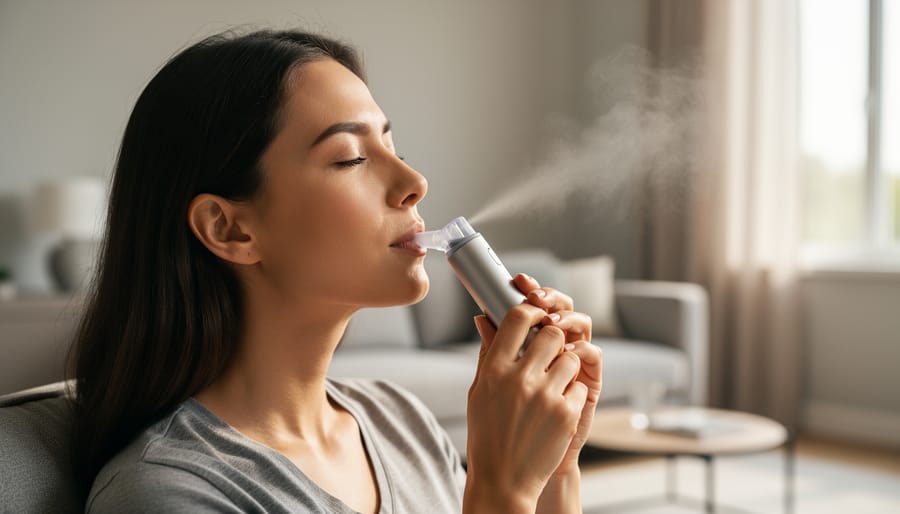
People turn to CBD vaping for several reasons, most of which center on convenience and the speed at which effects appear. While research into CBD is ongoing and definitive clinical conclusions remain limited, both preliminary studies and widespread user reports point to benefits that make vaping an attractive delivery method for many.
Faster onset of effects stands out as CBD vaping’s primary advantage. When you inhale CBD vapor, cannabinoids enter your bloodstream through the lungs within minutes, typically 5 to 15 minutes, compared to 30 minutes to two hours for edibles or capsules. This rapid absorption matters when you’re dealing with acute stress, sudden discomfort, or breakthrough anxiety that needs immediate attention rather than waiting an hour for relief to kick in.
Stress and anxiety management ranks among the most commonly reported reasons for CBD use. Some research suggests CBD may interact with serotonin receptors and support the body’s stress response systems, though scientists are still working to understand the precise mechanisms. Many vapers describe feeling calmer and more centered after a session, without the intoxication associated with THC products. The ritualistic aspect of vaping itself, the controlled breathing, the brief pause, may contribute to the relaxation some users experience.
For pain and inflammation supportanecdotal evidence is strong but clinical proof remains mixed. CBD’s potential anti-inflammatory properties have been studied primarily in animal models and limited human trials. Some people with chronic pain conditions report that vaping CBD takes the edge off discomfort, particularly when combined with other pain management strategies. The quick onset means you can address pain spikes as they happen rather than scheduling doses around anticipated discomfort.
Sleep quality improvement is another frequent motivation. CBD may help some people relax before bed or address underlying anxiety that disrupts sleep, though it doesn’t work like a traditional sedative. The timing here matters: vaping an hour before bed gives you control over when effects peak, unlike longer-lasting edibles that might leave you groggy the next morning.
It’s essential to maintain realistic expectations. CBD isn’t a cure-all, and responses vary significantly between individuals. What works remarkably well for one person might do little for another, and the placebo effect likely plays some role in user experiences. Quality products from reputable sources matter enormously, weak formulations or contaminated vapes won’t deliver meaningful benefits regardless of the delivery method.
How Hemp-Derived CBD Vaping Is Used
Using hemp-derived CBD vapes effectively starts with understanding that less is often more. If you’re new to CBD vaping or to vapes for beginners in general, start with a single inhalation and wait at least 15 minutes before taking another. CBD vaping works quickly, but individual responses vary based on body weight, metabolism, tolerance, and the concentration of CBD in your device.
Most experienced CBD vapers use what’s called the “low and slow” approach. They take one to three puffs, then pause to gauge how they feel. Since CBD effects typically begin within five to fifteen minutes when vaped, you don’t need to keep inhaling continuously. This method prevents overconsumption and helps you find your personal sweet spot without wasting product or experiencing unwanted drowsiness.
Best practices for CBD vaping include:
- Begin with 1-3 short puffs per session rather than extended draws
- Wait 15-30 minutes between sessions to assess how you feel
- Keep a simple log of when you vape, how much, and the effects you notice
- Choose a CBD concentration that matches your experience level (lower for beginners, higher for those who need stronger effects)
- Keep your device clean and properly maintained for consistent delivery
Frequency depends entirely on why you’re using CBD. Some people vape once in the morning and once before bed for general wellness. Others use CBD vapes as needed for situational stress or discomfort, taking a few puffs when they feel tense or achy. Unlike nicotine vaping, CBD doesn’t create physical dependence, so there’s no pressure to maintain constant use.
Product strength matters significantly. A disposable vape with 100mg total CBD delivers much less per puff than one with 500mg or 1000mg. Read the label carefully, start with moderate concentrations around 250-500mg for your first device, and adjust from there based on results. What works for your friend might be too strong or too weak for you.
What to Look for When Choosing CBD Vape Products

Choosing a quality CBD vape product requires diligence, as the market remains largely unregulated and product quality varies dramatically. The difference between a well-made CBD vape and a substandard one can affect both your experience and your safety.
Third-Party Lab Testing (COA)
The single most important quality indicator is independent lab testing. Reputable brands provide a Certificate of Analysis for every product, verifying the CBD content, confirming THC levels remain legal (under 0.3%), and screening for contaminants like pesticides, heavy metals, residual solvents, and microbial impurities. You should be able to access these lab reports easily through a QR code on the packaging or the brand’s website. If a company cannot or will not provide recent lab results, walk away.
Ingredient Transparency
Quality manufacturers list every ingredient clearly. Look for CBD e-liquids that use pharmaceutical-grade carrier liquids (propylene glycol and vegetable glycerin), natural or clearly identified flavorings, and nothing else beyond CBD extract. Be wary of vague terms like “natural flavors” without further specification, or products that don’t disclose their full ingredient list. Avoid any vape products containing vitamin E acetate, which has been linked to serious lung injuries.
Extraction Method and Spectrum Type
CO2 extraction is generally considered the gold standard for CBD, producing clean extracts without chemical residues. Ethanol extraction can also be safe when done properly. The product label should specify whether you’re getting CBD isolate (pure CBD only), broad-spectrum (CBD plus other cannabinoids, minus THC), or full-spectrum (all hemp compounds including trace THC). Each has different effects and legal implications.
Brand Reputation and Sourcing
Research the company behind the product. Established brands typically provide information about their hemp sources (ideally organically grown in the US), manufacturing practices, and company history. Read customer reviews across multiple platforms, not just the brand’s website. Check for any warning letters from the FDA or complaints with consumer protection agencies.
Prices that seem too good to be true often are. Quality CBD extraction and testing costs money, which gets reflected in the final price.
Safety Considerations and Potential Drawbacks
While CBD vaping offers potential benefits, it’s important to understand the risks and limitations before you start. Inhalation of any substance affects your lungs, and vaping CBD is no exception. Although vaping is generally considered less harmful than smoking, we’re still learning about the long-term effects of inhaling vaporized CBD and carrier liquids like propylene glycol and vegetable glycerin. Some people experience throat irritation, coughing, or respiratory discomfort, especially when first starting or when using high-strength products.
Quality control matters immensously with CBD vapes. The unregulated nature of the hemp industry means products vary widely in quality and safety. Low-quality vapes may contain harmful cutting agents like vitamin E acetate, which has been linked to serious lung injuries. Some products contain pesticides, heavy metals, or synthetic additives that shouldn’t be inhaled. This is why purchasing from reputable brands with transparent third-party testing is essential, not optional.
Common CBD side effects from vaping include dry mouth, drowsiness, changes in appetite, and dizziness. These effects are typically mild but can interfere with daily activities. CBD can also interact with certain medications, particularly blood thinners, by affecting how your liver processes them. If you take prescription medications, talk to your doctor before vaping CBD.
Certain people should avoid CBD vaping altogether. If you’re pregnant or breastfeeding, have lung conditions like asthma or COPD, or have a history of substance abuse, CBD vaping may not be appropriate. Teenagers and young adults should also avoid it, as their developing bodies may be more vulnerable to potential risks.
Finally, watch out for products containing harmful additives. Avoid vapes with vitamin E acetate, MCT oil (medium-chain triglycerides), or artificial flavorings that haven’t been safety-tested for inhalation. Stick with simple formulations that clearly list all ingredients.
Common Questions About Hemp-Derived CBD Vaping
Will CBD vape get you high?
No, hemp-derived CBD vape products contain 0.3% THC or less and won’t produce the psychoactive effects associated with marijuana. You may feel relaxed or experience mild effects from CBD itself, but not intoxicated.
Is hemp-derived CBD vape legal?
Yes, hemp-derived CBD products containing 0.3% THC or less are federally legal in the United States under current hemp legislation. However, some states have additional restrictions, so check your local laws.
How much CBD should I vape?
Start with 1-2 puffs and wait 10-15 minutes to assess effects before vaping more. Most users find 5-20mg per session effective, but individual needs vary based on tolerance, product strength, and desired effects.
Can I fail a drug test from CBD vaping?
Full-spectrum CBD products contain trace amounts of THC that could potentially accumulate with heavy use, though it’s unlikely. If drug testing is a concern, choose broad-spectrum or CBD isolate products that contain zero THC.
How is CBD vaping different from THC vaping?
CBD vapes deliver non-psychoactive cannabidiol, while THC vapes produce intoxicating effects. The devices and techniques are similar, but THC products are regulated differently and remain illegal in many jurisdictions.
What’s the shelf life of CBD vape products?
CBD e-liquids typically last 1-2 years when stored properly in a cool, dark place. Disposable CBD vapes should be used within 6-12 months, as battery degradation and oxidation can affect quality and potency over time.
Beyond these common questions, many users wonder about the difference between CBD vapes and dry herb vaporizers. While both deliver cannabinoids through inhalation, CBD vapes use liquid formulations specifically designed for vaping devices, whereas dry herb vaporizers heat actual cannabis flower material. CBD vapes offer more precise dosing and convenience, though some users prefer the broader cannabinoid and terpene profile available from whole-plant vaporization.
Another frequent concern centers on interactions with medications. CBD can affect how your body metabolizes certain drugs, particularly those with a grapefruit warning label. If you take prescription medications regularly, consult your healthcare provider before adding CBD vaping to your routine. This precaution applies even though CBD vaping is generally well-tolerated by most people.
Hemp-derived CBD vaping has emerged as a fast-acting delivery method that appeals to those seeking potential wellness benefits through inhalation. As we’ve explored, this approach offers distinct advantages in terms of bioavailability and onset speed compared to other consumption methods, but it requires careful consideration and informed choices.
The key to a positive CBD vaping experience lies in product quality. Third-party lab testing, transparent ingredient lists, and reputable manufacturers aren’t just nice-to-haves, they’re essential safeguards. Low-quality products can undermine both safety and effectiveness, turning what could be a beneficial practice into a disappointing or potentially risky one.
If you’re considering CBD vaping, start with clear goals and realistic expectations. Understand what research does and doesn’t support, recognize that individual responses vary, and be prepared to adjust your approach based on your experience. Consulting with a healthcare provider before starting is particularly important if you have existing health conditions or take medications.
For appropriate users, hemp-derived CBD vaping can fit into a broader wellness strategy focused on harm reduction and informed self-care. It’s not a universal solution, but for those who choose this path with eyes open, quality products and responsible use can make CBD vaping a practical option worth exploring. Your health decisions deserve the same thoughtfulness you’d apply to any wellness practice.