
As of 2026, only a handful of vaping devices have received FDA marketing authorization: the JUUL2 system (including its tobacco and menthol pods, authorized in August 2026) and four Glas electronic nicotine delivery systems (authorized in May 2026). That’s it. If you’re using a refillable tank mod, a popular pod system from most brands, or virtually any open-system device, it hasn’t received FDA authorization.
This creates a confusing situation for vapers. The FDA doesn’t technically “approve” vaping devices the way it approves prescription drugs. Instead, it grants marketing authorization through a process called premarket tobacco product application, or PMTA. This authorization means the agency determined those specific products are “appropriate for the protection of public health” based on the manufacturer’s evidence. But here’s the catch: the overwhelming majority of devices vapers actually use, particularly advanced systems, haven’t gone through this process or didn’t receive authorization.
So what does this mean for your vaping choices? Should you only use authorized devices? Does using an unauthorized device put you at risk? And how do you make informed decisions when the regulatory landscape doesn’t match the market reality?
Understanding FDA authorization matters whether you’re a smoker considering the switch to vaping or an experienced vaper trying to navigate conflicting information. The regulatory status of a device affects where and how it can be sold, but it doesn’t tell the complete story about product quality, safety standards, or whether a device will work for your needs. This guide cuts through the confusion by explaining what FDA authorization actually means, which devices currently hold it, why so few products have received it, and how to evaluate vaping devices when most options fall outside the authorized category.
What FDA Authorization Really Means for Vape Devices
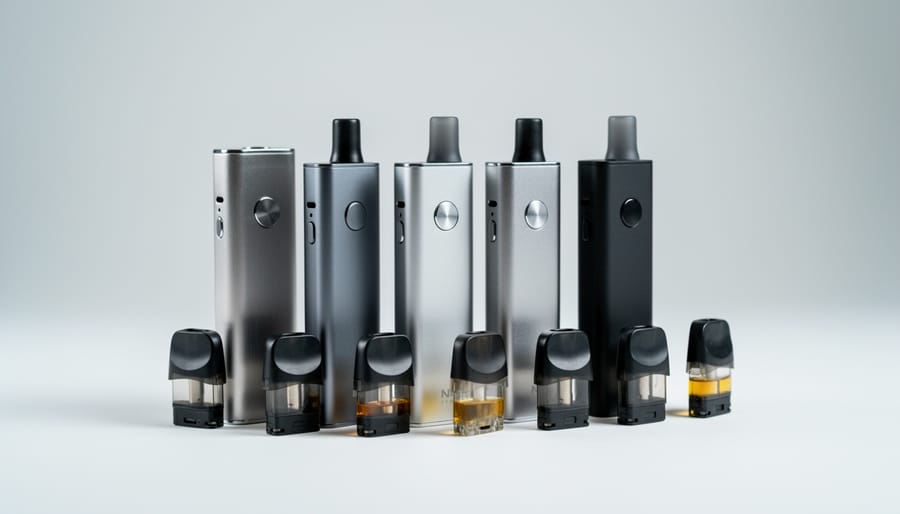
When you see “FDA approved vape devices,” the terminology can mislead. The FDA doesn’t technically approve vaping products the way it approves prescription medications. Instead, it authorizes their marketing through a process called the premarket tobacco product application, or PMTA.
Here’s what that distinction means: FDA approval involves the agency actively endorsing a product’s safety and effectiveness for medical use. Authorization is different. It means the FDA reviewed a manufacturer’s application and determined that allowing the product to be sold is “appropriate for the protection of public health.” This doesn’t mean the product is safe or that the FDA recommends it. It means the agency concluded that the specific product meets regulatory standards and that its availability might benefit public health, typically because it could help adult smokers switch from combustible cigarettes.
The PMTA process requires manufacturers to submit extensive data about their products. This includes detailed information about ingredients, how the device works, manufacturing processes, and evidence showing how the product affects users’ health and behavior. The manufacturer must demonstrate that marketing the product would benefit public health overall, particularly by considering whether it helps adult smokers while minimizing youth appeal.
The FDA evaluates whether the product’s design, features, and marketing would reasonably attract primarily adult smokers rather than non-users or young people. Factors like flavor profiles, nicotine levels, marketing materials, and how the product compares to cigarettes all matter. The agency also assesses quality control, potential defects, and whether the device delivers nicotine consistently.
This rigorous review explains why so few products have received authorization. The process demands significant scientific research, testing data, and financial resources. A manufacturer can’t simply claim their device is safer than cigarettes. They need evidence, documentation, and studies to support that position, then wait months or years for FDA review.
When a product receives marketing authorization, you’ll find it on the FDA’s official list of authorized tobacco products. This transparency helps vapers verify claims and make informed decisions.
Currently Authorized Vape Devices in 2026
Glas Electronic Nicotine Delivery Systems
The FDA authorized Glas pods on May 05, 2026, marking a significant expansion of the closed-system vape devices available through official regulatory channels. The authorization covers four specific pod varieties: Classic Menthol, Fresh Menthol, Gold, and Sapphire.
These Glas systems fall into the closed-pod category, meaning users can’t refill the pods with their own e-liquid. The device works with pre-filled pods that click into place, similar to how many popular pod systems operate. Classic Menthol and Fresh Menthol offer two different takes on mint flavoring, while Gold and Sapphire provide tobacco-based flavor profiles.
What sets these products apart in the regulatory landscape is their successful navigation of the PMTA process, which required Glas to demonstrate that marketing these specific products would be appropriate for public health protection. The authorization applies to these exact flavor formulations, not to the device platform as a whole or to any other flavors the manufacturer might produce.
The timing matters for vapers looking at their options in 2026. These Glas pods joined the very short list of authorized closed-system devices, though they represent just one manufacturer’s take on pod-based vaping. The four authorized varieties give users some choice within a tightly regulated product line, but they’re still limited compared to the broader vaping market.
JUUL2 System
The FDA authorized JUUL2 marketing on Aug. 28, 2026, clearing three specific products: the JUUL2 device itself, a tobacco-flavored pod, and a menthol-flavored pod. This represents JUUL Labs Inc.’s second generation system, distinct from the original JUUL that dominated the market for years.
The JUUL2 system evolved from lessons learned with its predecessor. While the original JUUL faced intense regulatory scrutiny and eventual marketing denial orders for its flavored pods, the company developed JUUL2 with regulatory compliance as a design priority. The newer device incorporates updated technology and safety features that helped it clear the rigorous PMTA process.
Unlike the original JUUL, which had numerous flavor options at its peak, the authorized JUUL2 products are limited to just two pod varieties. The tobacco-flavored and menthol-flavored options represent what the FDA determined met the “appropriate for the protection of public health” standard required for authorization. Both pods work exclusively with the JUUL2 device, which features a different design from the first-generation hardware.
For existing JUUL users, the JUUL2 system isn’t directly interchangeable with original JUUL pods. The devices use different pod designs, so switching to JUUL2 means adopting an entirely new system rather than simply swapping out pod flavors.
How This Impacts Advanced Vaping Device Users
If you’re using a box mod, sub-ohm tank, rebuildable atomizer, or any other advanced vaping system, you’re almost certainly using a device that hasn’t received FDA authorization. The limited pool of authorized products, just the Glas and JUUL2 closed pod systems, represents a tiny fraction of the vaping market, and the advanced devices that experienced vapers prefer simply haven’t gone through the PMTA process.
This doesn’t mean your device is automatically unsafe or that you’re breaking the law by owning it. The FDA’s enforcement focus has primarily targeted manufacturers and retailers selling unauthorized products, not individual consumers using them. You won’t face legal consequences for possessing or using an advanced device that lacks FDA authorization. The regulatory framework targets the marketing and distribution of tobacco products, not personal use.
What matters more in practical terms is whether you can continue accessing the devices and components you need. The FDA has issued marketing denial orders for many products, which means manufacturers can’t legally sell them in the US market. This has already affected availability of certain devices, tanks, and e-liquids, particularly flavored options. You might notice fewer choices at vape shops or find that your preferred device or replacement parts are harder to source.
The lack of FDA authorization also means these products haven’t undergone the rigorous application process that examines manufacturing standards, quality control, and potential health impacts. This places more responsibility on you to research manufacturers, verify quality standards, and ensure you’re buying from reputable sources that prioritize safety even without regulatory oversight. Look for companies that conduct third-party testing, maintain transparent manufacturing practices, and have established track records in the vaping industry.
For experienced vapers who value customization, power control, and advanced features, the current regulatory landscape means navigating a market in transition. Stay informed about which products remain available, which manufacturers are still operating, and whether any advanced devices might pursue FDA authorization in the future.
Why So Few Devices Have FDA Authorization
The PMTA process represents a significant financial and logistical undertaking that puts it out of reach for many vaping companies. A single application can cost hundreds of thousands to millions of dollars, requiring extensive scientific data, toxicological testing, product chemistry analysis, and long-term health impact studies. For a small manufacturer producing specialized devices or e-liquids, these costs alone can exceed their entire operating budget.
The scientific requirements extend beyond simple product testing. Companies must demonstrate how their specific product benefits public health, typically by showing it helps adult smokers quit while minimizing youth appeal. This means conducting clinical studies, analyzing user behavior patterns, and compiling thousands of pages of documentation for each product variant. A mod manufacturer offering multiple wattage settings, tank configurations, or coil options would need separate applications for each variation, multiplying both costs and complexity.
Timing creates another barrier. The PMTA review process can take years from submission to decision, during which the product remains in regulatory limbo. For companies operating in the fast-moving vaping technology space, this timeline conflicts with product development cycles. By the time a device receives authorization, the technology may be outdated.
The current regulatory landscape favors larger corporations with dedicated regulatory teams and deep pockets. Companies like JUUL Labs and those behind the Glas system have the resources to navigate this process. Smaller manufacturers, particularly those making advanced devices for experienced vapers, face a stark choice: invest resources they may not have in the PMTA process, continue selling products that technically require authorization, or exit the market entirely.
This explains why the authorized product list remains heavily weighted toward closed pod systems from major manufacturers, while the wider variety of devices vapers actually use haven’t pursued or received FDA authorization.
What to Consider When Choosing a Vaping Device

FDA authorization tells you what’s passed a specific regulatory review, but it’s not the only quality signal that matters when selecting a device. Whether you’re comparing authorized products or looking at the broader market, you’ll want to evaluate several practical factors that affect safety, performance, and your overall experience.
Start by examining manufacturer reputation and transparency. Established companies with years in the market typically maintain consistent quality standards, publish test results, and stand behind their products with warranties. Look for manufacturers who clearly list their ingredients, specify nicotine strengths accurately, and provide detailed product information rather than vague marketing claims. Companies that voluntarily submit to third-party testing and publish those results demonstrate a commitment to quality beyond minimum requirements.
Safety features matter more than flashy designs. Modern devices should include basic protections like:
- Short-circuit protection to prevent battery failures
- Overcharge protection in rechargeable systems
- Automatic cutoff timers to prevent overheating
- Quality battery cells from reputable manufacturers (Samsung, Sony, LG)
- Child-resistant packaging and design features
These safeguards are standard in quality devices but absent in poorly made products. If a manufacturer doesn’t specify what safety features they’ve built in, that’s a red flag.
Consider your experience level and needs. Someone switching from smoking might start with our first vape kit tips and a straightforward pod system before exploring whether disposable vs reusable systems better fit their lifestyle. Those interested in customization and performance might benefit from our advanced device buying guide which covers more sophisticated options.
Check independent reviews from multiple sources, not just retailer testimonials. Reddit communities, YouTube reviewers, and vaping forums often provide unfiltered feedback about device performance, build quality issues, and company customer service. Pay attention to patterns: one complaint might be an outlier, but repeated issues across multiple users signal genuine problems.
Finally, buy from reputable retailers who verify product authenticity and don’t stock counterfeits. Legitimate vendors will answer questions about sourcing, provide clear return policies, and sell products in sealed, original packaging. The cheapest price often comes with hidden costs in quality and safety.
Common Questions About FDA-Authorized Vape Devices
The regulatory landscape creates understandable confusion. Here’s what you actually need to know about FDA authorization and how it affects real-world vaping.
Are unauthorized vape devices illegal to own or use?
No. Owning or using a device without FDA authorization isn’t illegal for consumers. The authorization requirement applies to manufacturers and retailers selling these products, not individuals using them.
Does FDA authorization mean a device is safe?
Authorization means the FDA determined that marketing the product is appropriate for public health protection, considering both risks and benefits for the population as a whole. It’s not a blanket safety guarantee but rather a regulatory standard the product met.
Will my unauthorized device be pulled from the market?
The FDA has enforcement discretion over when and how to address unauthorized products. While technically subject to enforcement, the agency tends to prioritize products marketed to youth or making unsubstantiated health claims rather than all unauthorized devices simultaneously.
Can I still buy advanced vaping devices?
Yes, many retailers continue selling devices that haven’t received FDA authorization. The regulatory situation remains fluid, but advanced devices remain widely available as manufacturers navigate the authorization process.
The authorization status matters most if you’re concerned about regulatory compliance or future market availability. For many vapers using advanced systems, the practical reality is that their preferred devices remain accessible despite not having FDA authorization.
Understanding device safety basics matters more than authorization status alone. Quality construction, proper battery safety, manufacturer reputation, and responsible usage practices affect your experience regardless of regulatory standing.
The future regulatory landscape remains uncertain. More products may receive authorization as manufacturers complete the expensive, time-consuming PMTA process. Enforcement priorities could shift. New regulations might emerge. Staying informed about regulatory developments helps you make choices aligned with your priorities, whether that’s strict regulatory compliance or access to specific device features.
As of late 2026, the landscape of FDA-authorized vaping devices remains remarkably limited. Only two manufacturers, Glas and JUUL Labs, have successfully navigated the premarket tobacco authorization process, resulting in just a handful of authorized products: four Glas pods and the JUUL2 system with its two authorized flavors. For the millions of vapers using advanced devices, rebuildable atomizers, or products from other manufacturers, this reality means operating in a regulatory gray area that’s unlikely to change quickly.
This doesn’t mean you should panic about your current setup or assume the worst. The FDA’s enforcement priorities have historically focused on youth access and marketing violations rather than individual adult users. However, it does highlight the importance of staying informed. Regulatory frameworks evolve, manufacturer strategies shift, and what’s true today about enforcement and authorization may look different in six months or a year.
Making educated choices about vaping devices means weighing multiple factors beyond just authorization status. Research the manufacturers you’re considering, look for companies that conduct third-party testing, prioritize products with built-in safety features, and stay current on both regulatory news and product recalls. The vaping industry operates at the intersection of personal choice, public health policy, and evolving regulation, understanding that complexity helps you navigate it more confidently.
Keep asking questions, read beyond headlines, and recognize that both the regulatory landscape and vaping technology continue to develop rapidly.