
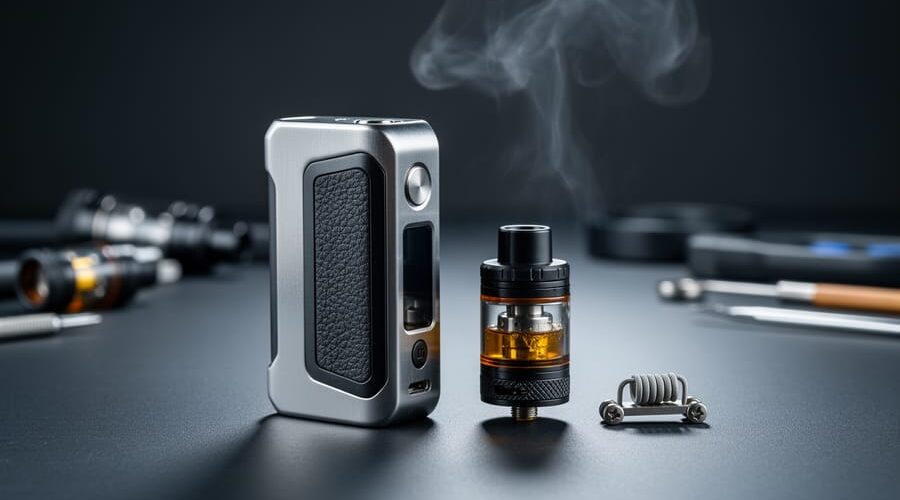
Vaping technology has evolved far beyond simple pen-style devices, and if you’re using advanced equipment in 2026, you need to understand how modern systems actually work. Temperature control can prevent dry hits by capping coil heat at a precise threshold, sub-ohm setups deliver bigger clouds through low-resistance coils that demand more power, and choosing between disposable vs reusable systems affects everything from cost to vapor quality. Whether you picked up a regulated mod last month or you’ve been building coils for years, these five facts cut through the marketing hype and explain what’s actually happening inside your device.
Most vapers learn through trial and error, swapping settings until something feels right. But understanding the mechanics behind wattage curves, coil materials, and airflow design helps you troubleshoot problems faster and get consistent performance from any setup. These aren’t opinions or brand pitches. They’re the core principles that separate a frustrating vape session from a smooth one, and they apply whether you’re using a pod system or a dual-battery box mod.
Why These 5 Facts Matter for Advanced Vapers
These five facts target the real-world challenges you’ll face when you choose advanced devices over simpler vape pens. Upgrading to temperature control mods, rebuildable atomizers, or high-wattage systems introduces new variables that don’t exist with basic equipment. Each fact addresses a specific misconception or safety concern that frequently trips up users making that transition: believing higher wattage always means better performance, underestimating battery safety requirements, or overlooking how airflow adjustments fundamentally change your experience. These aren’t random tips. They’re the core truths that separate safe, satisfying vaping from burnt coils, wasted e-liquid, and potential equipment failure. Understanding them upfront saves you troubleshooting headaches and helps you get the most from your investment.
1. Temperature Control Protects Your Coils and E-Liquid
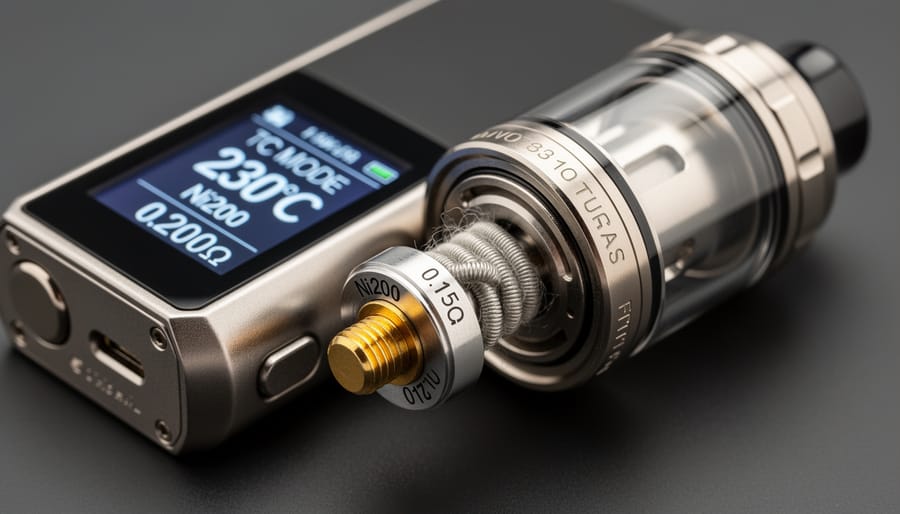
Temperature control mode stops your coils from overheating by capping the maximum temperature they reach during use. When you vape in standard wattage mode, the device delivers a constant power level regardless of how hot the coil gets, which can quickly lead to dry hits when your wick runs low on e-liquid. TC mode solves this by monitoring the coil’s electrical resistance, which changes predictably as metal heats up. When the resistance shift indicates the coil has reached your set temperature (typically 400-600°F), the chip automatically reduces power to hold that limit.
This protection directly prevents the two most common problems with advanced devices: burned wicking material and charred e-liquid. Without temperature limits, a dry coil can easily exceed 800°F in seconds, vaporizing your cotton and creating that harsh, acrid taste that ruins both the experience and your coil. TC mode cuts power the moment it detects this risk, giving you consistent vapor production and flavor clarity throughout your vaping session.
The practical benefit is straightforward: you get smoother hits with zero guesswork about when to stop firing. Your coils last longer because they never carbonize, and you waste less e-liquid since the system prevents overheating that degrades flavor compounds. For users upgrading from basic setups, understanding what works at the advanced level means recognizing that TC isn’t about chasing trends, it’s about consistent performance and device longevity.
2. Wattage Range Isn’t a Competition, It’s About Matching Your Setup
Higher wattage doesn’t automatically equal a better vape. The truth is, optimal wattage depends entirely on your coil’s resistance and the vaping style you prefer, pushing your device to maximum power often does more harm than good.
Here’s the relationship that matters: lower-resistance coils (around 0.15-0.3 ohms) require higher wattage to heat properly, while higher-resistance coils (0.5 ohms and up) perform best at moderate power levels. If you fire a 0.8-ohm coil at 100 watts, you’ll burn through e-liquid in seconds, char your cotton, and get a throat-scorching hit instead of satisfying vapor. Conversely, running a 0.2-ohm coil at 30 watts won’t generate enough heat to vaporize liquid efficiently, leaving you with weak, unsatisfying clouds.
Most coils have a recommended wattage range printed on the side or included in the packaging, start at the lower end and increase by 5-watt increments until you find your sweet spot. You’ll know you’ve hit it when vapor production feels smooth, flavor is clear, and your throat hit matches your preference. Go too high and you’ll taste a sharp, acrid burn; stay too low and the vapor feels thin or muted.
Pushing wattage beyond your coil’s range wastes e-liquid through over-vaporization, shortens coil lifespan by burning organic cotton prematurely, and stresses your batteries unnecessarily. Advanced vapers who chase massive clouds do use high power, but they pair it with low-resistance builds specifically designed for that output. Match your wattage to your setup, not to an arbitrary number that sounds impressive.
3. Rebuildable Atomizers Require Consistent Maintenance
Rebuildable atomizers demand hands-on upkeep that pre-built coil tanks simply don’t. Cotton wicks absorb sweeteners and flavorings from e-liquid, creating a sticky residue that gunks up your coil and mutes flavor. That buildup restricts airflow through the cotton, reducing vapor production and eventually causing dry hits even when your wick is saturated.
Here’s what maintenance actually looks like. Rewicking should happen every 3-7 days depending on how sweet your e-liquid is, dessert and candy flavors need fresh cotton twice as often as simple fruit or menthol blends. Full coil replacement comes every 2-4 weeks, or sooner if you notice uneven heating. Between rewickings, a quick rinse of your build deck under warm water removes surface gunk.
Essential maintenance tasks keep your RDA or RTA performing like new:
- Dry burn coils at low wattage to burn off residue, then quench under running water
- Scrub the build deck with a soft brush to clear e-liquid buildup from post holes
- Replace cotton when it darkens or develops a caramelized smell
- Check for hot spots by pulsing coils and watching for uneven glowing
Your atomizer tells you when it needs attention. Muted or off-tasting flavor is the first sign cotton has absorbed too much residue. Reduced vapor production means airflow is restricted by gunk or your coil’s resistance has shifted from buildup. A burnt taste that persists even after re-dripping means the coil itself is compromised.
Understanding maintenance timing matters as much as knowing amp limits explained for battery safety, both protect your investment and keep your vaping experience consistent. Treat maintenance as part of the routine, not a chore you put off until flavor goes completely flat.
4. Battery Safety Is Non-Negotiable with High-Powered Mods
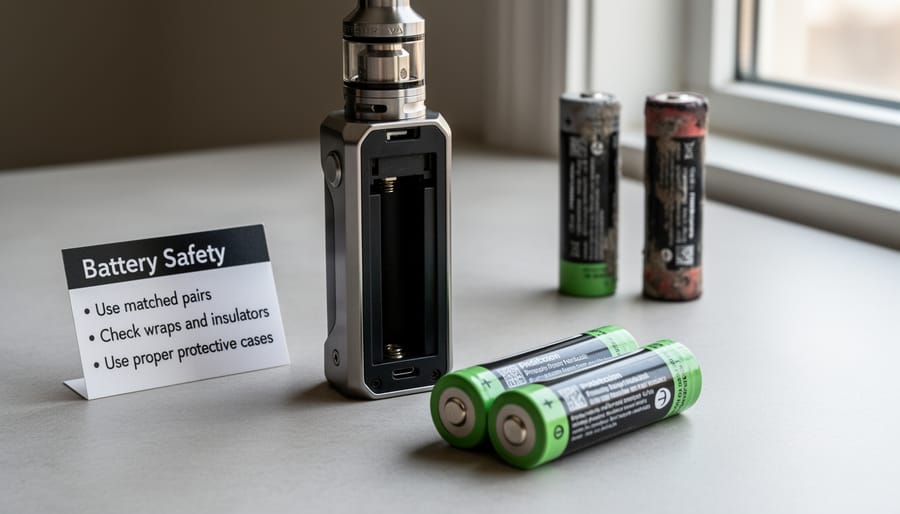
Advanced vaping devices pull significant current, especially when running high-wattage builds or low-resistance coils. This means your batteries must be high-drain cells rated for continuous discharge, not standard lithium-ion batteries designed for flashlights or remote controls. The continuous discharge rating (CDR) tells you how many amps the battery can safely deliver without overheating or venting. For example, a 20-amp battery can handle builds that draw up to 20 amps continuously. Exceed that limit, and you risk thermal runaway, a dangerous failure where the battery overheats and releases gases or worse.
If you’re using a multi-battery mod, treat your batteries as married pairs. This means purchasing two or more identical batteries at the same time, charging them together, and rotating their positions in the mod with each charge cycle. Married batteries wear at the same rate, preventing imbalances that can stress the weaker cell and reduce overall safety. Never mix old and new batteries or batteries from different brands in the same device.
External chargers are strongly recommended over built-in USB charging for multi-battery mods. Many mods charge cells in series rather than individually balancing each battery, which can lead to unequal charge levels over time. An external charger monitors and charges each cell independently, extending battery life and maintaining safer operation.
Watch for warning signs of battery degradation. Damaged or torn wrapper insulation exposes the metal casing and creates a short-circuit risk, rewrap immediately or retire the battery. Excessive heat during use or charging indicates internal resistance problems. Voltage drop, where fully charged batteries die quickly, signals capacity loss. If a battery shows any of these symptoms, replace it. Batteries are the one component you should never try to stretch for extra lifespan when safety is on the line.
5. Airflow Control Directly Impacts Flavor and Throat Hit
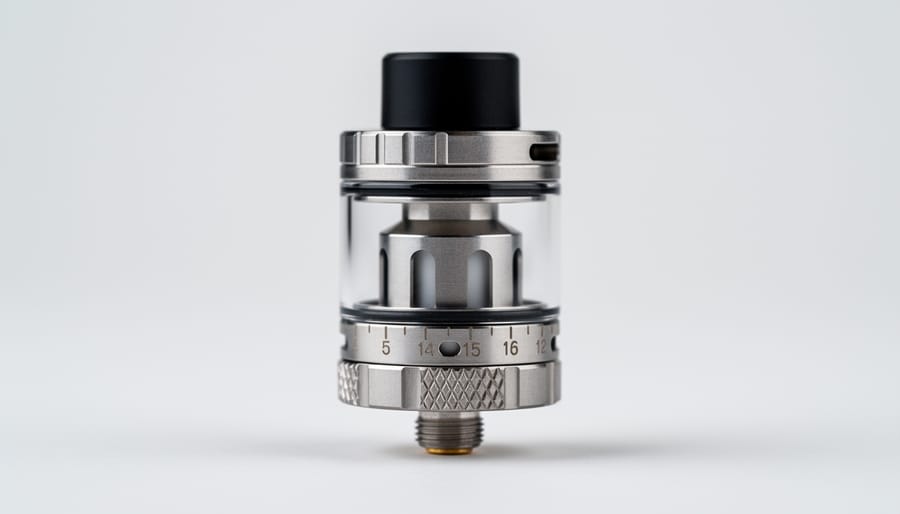
Airflow control changes more than just cloud size, it fundamentally alters vapor temperature, flavor concentration, and throat hit intensity. When you tighten the airflow ring on your atomizer, you’re restricting the amount of air mixing with the vapor, which creates a warmer, denser vaping experience similar to smoking a cigarette. This mouth-to-lung style delivers concentrated flavor and a stronger throat hit because the vapor stays hotter and more saturated with e-liquid particles.
Open the airflow wide, and you get the opposite effect. More air cools the vapor down and dilutes it, producing massive clouds but softer flavor and a gentler throat hit. This direct-lung style is popular for cloud chasing, but you’ll often need higher wattage to compensate for the cooling effect if you want to maintain flavor intensity.
The throat hit connection is straightforward: restricted airflow keeps vapor concentrated and warm, which enhances nicotine impact and provides that satisfying sensation at the back of your throat. Wide-open airflow spreads everything out, making the experience smoother but less intense.
Start with your airflow halfway open and adjust from there. If the flavor tastes muted or the throat hit feels weak, close it down incrementally until you find the sweet spot. If the vapor feels too harsh or hot, open it wider. Your ideal setting depends on your coil build, wattage, and personal preference, there’s no universal right answer.
What These Facts Mean for Your Vaping Experience
These five facts work together to give you safer sessions, longer-lasting equipment, and noticeably better flavor. Understanding temperature control, wattage matching, maintenance schedules, battery limits, and airflow adjustment means you’re not just using an advanced device, you’re using it correctly. Don’t be afraid to experiment with settings within your device’s safe operating range; finding what works for your coil, e-liquid, and vaping style is how you get the most satisfaction from advanced vaping systems.
Common Questions About Advanced Vaping Devices
Can I use any wire type in temperature control mode?
No. TC mode only works with specific wire types that change electrical resistance predictably when heated, typically nickel (Ni200), titanium (Ti), or stainless steel (SS316L). Standard kanthal and nichrome wires won’t function in TC mode because their resistance stays too stable across temperature ranges for the chip to regulate properly.
How do I find my battery’s amp limit?
Check the battery wrapper or manufacturer specifications for the continuous discharge rating (CDR), listed in amps. For example, a Samsung 25R has a 20A CDR. If you can’t find printed specs, look up the exact battery model on reputable vape battery databases, never guess, as exceeding amp limits creates serious safety risks.
How often should I replace coils in a rebuildable atomizer?
Coil wire itself can last weeks or months if you rewick and dry-burn regularly to remove residue. Replace the coil when you notice persistent hot spots that won’t glow evenly, physical damage like breaks or warping, or stubborn flavor contamination that cleaning doesn’t fix. Most vapers replace coils every 2-4 weeks with moderate use.
Does airflow setting affect battery life?
Indirectly, yes. Restricted airflow creates warmer vapor at lower wattages, which draws less power and extends battery life per charge. Wide-open airflow typically requires higher wattage to produce satisfying vapor density, draining batteries faster. The wattage you choose matters more than airflow alone, but the two work together.
These questions come up constantly when vapers move from basic setups to advanced devices. Understanding wire compatibility prevents wasted money on coils that won’t work with your mod’s features. Knowing your battery’s amp limit isn’t optional, it’s the difference between safe operation and potential battery failure. Coil replacement timing affects both your wallet and flavor quality, so recognizing when wire is actually spent versus just needing a rewick saves money. The airflow-battery relationship helps you balance cloud production with how often you’ll need to recharge, letting you plan your vaping habits around real-world battery performance.