

The most common culprit behind CBD-induced diarrhea isn’t the cannabidiol itself, it’s the MCT oil carrier used in most tinctures and oils. If you’ve recently started CBD or increased your dose and are now dealing with loose stools, your digestive system is likely reacting to the medium-chain triglycerides flooding your gut faster than it can process them.
Here’s your quickest diagnostic: Did you take CBD oil or a tincture within the past 6 to 8 hours? If yes, and you’re experiencing watery stools without blood, severe cramping, or fever, you’re almost certainly dealing with MCT oil sensitivity or simple dosage overload. The good news? This is temporary and fixable.
This troubleshooting guide walks you through confirming the cause, understanding why your body reacts this way, and implementing immediate fixes to stop the discomfort. We’ll cover how to adjust your dose properly, whether you should switch to a different carrier oil or delivery method entirely, and prevention strategies to keep your digestive system happy while getting the CBD benefits you’re after.
One important note: If you’re experiencing severe abdominal pain, bloody stools, dehydration symptoms like dizziness or reduced urination, or if diarrhea persists beyond 48 hours after stopping CBD, contact your healthcare provider. These symptoms suggest something beyond typical CBD adjustment issues.

Understanding Your Symptoms: Is It Really CBD?
Before you assume CBD is the culprit behind your digestive troubles, take a moment to investigate. Diarrhea has many causes, and pinpointing the real source will save you time and unnecessary worry.
Start by examining the timeline. If your symptoms appeared within hours of your first CBD dose or immediately after increasing your intake, there’s a strong likelihood CBD is involved. However, if you’ve been using the same CBD product for weeks without issues and suddenly develop diarrhea, something else may be at play, perhaps a stomach bug, food poisoning, or a new medication.
Ask yourself these questions to narrow down the cause:
- When exactly did the diarrhea start, date and time if possible?
- How soon after taking CBD did symptoms appear (within an hour, several hours, the next day)?
- Did you change anything else in your routine, diet, or medications recently?
- How severe are your symptoms on a scale of mild discomfort to debilitating?
Pay attention to accompanying symptoms as well. CBD-related diarrhea typically comes with mild stomach cramping or a feeling of urgency, but not much else. If you’re experiencing fever, blood in your stool, severe abdominal pain, vomiting, or dehydration, those are red flags that point to something more serious than CBD sensitivity. Don’t dismiss these warning signs.
Consider what you ate in the past 24 hours. Did you try a new restaurant, eat something that was sitting out too long, or consume foods you typically avoid? Even stress and anxiety can trigger digestive upset that has nothing to do with your CBD routine.
The pattern matters too. If diarrhea happens every single time you take CBD and stops when you skip it, you’ve got your answer. But if it’s sporadic or unrelated to your dosing schedule, keep looking for other explanations. A simple elimination test, stopping CBD for three to five days, can confirm or rule out the connection definitively.
Why CBD Causes Diarrhea: The Main Culprits
MCT Oil and Carrier Oil Sensitivity
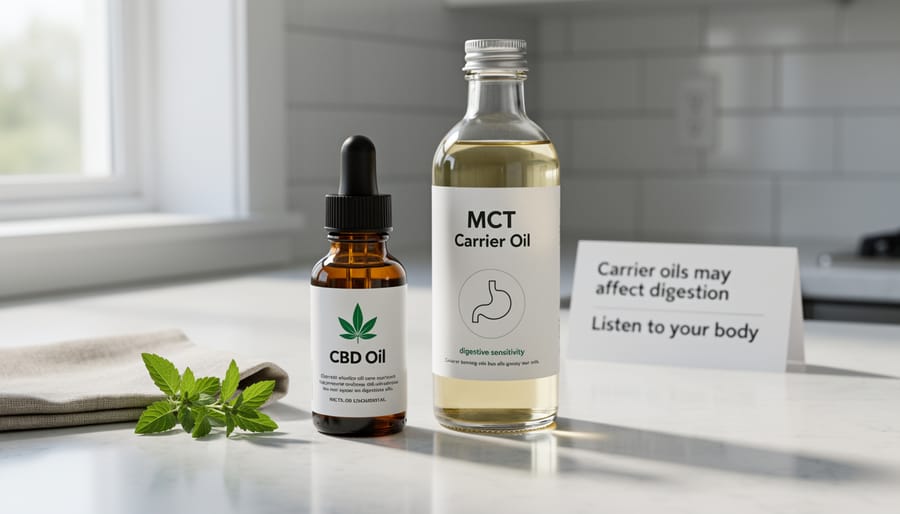
The most common culprit behind CBD-related diarrhea isn’t actually CBD itself, it’s MCT oil, the carrier used in most CBD tinctures and oils. MCT (medium-chain triglyceride) oil, typically derived from coconut oil, has a well-documented laxative effect when consumed in larger quantities. Your digestive system processes MCTs differently than other fats, breaking them down rapidly and sending them straight to your liver. This fast-track processing can stimulate your intestines and speed up bowel movements.
At therapeutic CBD doses, you’re often consuming 1-2 mL or more of pure MCT oil daily. If your body isn’t accustomed to it, this can trigger MCT side effects like diarrhea cramping, and urgent bathroom trips. Some people tolerate MCT oil perfectly fine, while others experience digestive distress even at low doses, there’s significant individual variation.
The problem intensifies when you increase your CBD dosage, because you’re simultaneously increasing your MCT oil intake. If you’ve recently upped your dose and noticed digestive issues, MCT sensitivity is likely your answer.
Dosage-Related Issues
Your digestive system needs time to adapt to CBD, and jumping in with a high dose is one of the quickest ways to trigger diarrhea. New users who start with 50mg or more often experience digestive upset simply because their body hasn’t built tolerance yet.
Think of it like introducing any new supplement. Your gut contains cannabinoid receptors that respond to CBD, and overwhelming these receptors initially can speed up intestinal contractions and fluid secretion. This creates the perfect storm for loose stools.
The adjustment period typically lasts one to two weeks. During this time, your endocannabinoid system learns to process CBD more efficiently, and your digestive tract stabilizes. Start with 10-15mg daily and increase by 5mg every few days. This gradual approach lets your body adapt without the shock of a sudden high dose.
Even experienced users can trigger diarrhea by dramatically increasing their dose. If you’ve been taking 25mg daily and suddenly jump to 100mg, expect digestive consequences. Your tolerance builds to your regular dose, not unlimited amounts.
Product Quality and Additives
Low-quality CBD products can wreak havoc on your digestive system in ways that have nothing to do with the CBD itself. Many cheap or unregulated products contain contaminants like pesticides, heavy metals, or residual solvents from extraction processes, all of which can trigger diarrhea and other gastrointestinal distress.
Artificial flavors, sweeteners, and preservatives added to make CBD oils or edibles more palatable are common culprits too. Ingredients like propylene glycol, certain sugar alcohols, or synthetic flavoring agents can irritate sensitive digestive systems, especially when consumed regularly. Even seemingly harmless fillers in capsules or gummies might not agree with your gut.
This is where third-party lab testing becomes critical. Reputable CBD companies provide certificates of analysis from independent labs that verify cannabinoid content and screen for contaminants. If your product doesn’t come with accessible lab results showing it’s free from harmful substances, you’re essentially gambling with your digestive health.
Switching from a sketchy brand to a properly tested, transparent product often resolves diarrhea completely. Look for products with batch-specific lab reports that test for potency, pesticides, heavy metals, and microbial contaminants. The few extra dollars for quality control can save you significant digestive misery.
Individual Digestive Sensitivity
Some people’s digestive systems are simply more reactive than others, making them more susceptible to CBD-related diarrhea regardless of product quality or dosage. If you already deal with conditions like irritable bowel syndrome (IBS), inflammatory bowel disease (IBD), or chronic digestive sensitivity, your gut may respond more dramatically to new substances, including CBD.
Pre-existing food sensitivities compound this problem. People who react poorly to high-fat foods often struggle with CBD oils because the carrier oils contain concentrated fats that can trigger digestive upset. Similarly, if you have trouble digesting nuts, seeds, or coconut products, you’re more likely to experience issues with hemp seed oil or MCT oil carriers.
Your gut microbiome composition also plays a role. An imbalanced or sensitive microbiome may struggle to process cannabinoids efficiently, leading to temporary digestive disturbances as your system adjusts. Some research suggests CBD can actually alter gut bacteria populations, which might initially cause diarrhea before your microbiome rebalances.
If you know you have a sensitive stomach, you’re not necessarily incompatible with CBD. You just need a more cautious approach with lower starting doses and careful attention to product ingredients that match your existing dietary tolerances.
How to Fix CBD Diarrhea: Step-by-Step Solutions
Step 1: Reduce Your Dosage Immediately
The fastest way to stop CBD-related diarrhea is to cut your current dose in half immediately. If you’ve been taking 50mg daily, drop to 25mg. Taking 25mg? Cut back to 10-15mg. This gives your digestive system a chance to recover while you determine your actual tolerance threshold.
Stop taking CBD completely for 24-48 hours if your symptoms are severe. Once the diarrhea subsides, restart at the lowest effective dose, typically 5-10mg for most people, and stay there for at least three days before increasing. Your gut needs time to adjust to processing CBD and its carrier oil.
When you do increase, add only 5mg at a time and wait another three days before the next adjustment. This gradual approach helps you identify your personal tolerance ceiling. Keep notes about how much you’re taking and any digestive changes. If diarrhea returns at a specific dosage, you’ve found your limit, drop back to the previous amount and maintain that as your maximum dose.
Most people find their digestive system adapts within one to two weeks of consistent, moderate dosing.

Step 2: Switch Your Carrier Oil
If reducing your dose doesn’t solve the problem, the carrier oil is your next suspect. MCT oil works beautifully for most people, but if you’re among those who react poorly to it, switching carriers can eliminate diarrhea overnight.
Look for CBD products that use hemp seed oil, olive oil, or grapeseed oil instead. Hemp seed oil is a natural choice since it comes from the same plant, offers its own omega fatty acids, and tends to be gentler on sensitive stomachs. Olive oil provides familiarity, your digestive system already knows how to handle it from cooking, and works well for sublingual absorption. Grapeseed oil is lighter and less likely to cause any oily aftertaste.
Check product labels carefully. Many brands offer the same CBD formulation in different carrier oil options, so you might not need to switch brands entirely. Some companies even make “sensitive stomach” versions specifically designed with gentler oils. If your current brand only offers MCT, don’t hesitate to try a competitor. Your digestive comfort matters more than brand loyalty, and plenty of quality options exist across all carrier types.
Step 3: Try a Different CBD Delivery Method
If switching carrier oils doesn’t solve the problem, consider changing how you take CBD altogether. Different delivery methods bypass the digestive system entirely or process differently in your body.
Vaping CBD delivers cannabinoids directly to your bloodstream through the lungs, avoiding your digestive tract completely. This makes it ideal if your stomach is particularly sensitive. Vaping also provides faster relief, effects appear within minutes rather than the 30-90 minutes oral CBD requires.
CBD topicals (creams, balms, patches) work locally through skin absorption without entering your digestive system. While they won’t provide the same systemic effects as oral CBD, they’re excellent for targeted relief without any risk of digestive upset.
CBD capsules might seem counterintuitive since they’re still oral, but they release more slowly than oils, which some people tolerate better. The gradual absorption can reduce the sudden digestive impact.
CBD isolate powder mixed into food gives you control over both dosage and what you consume it with, letting you pair it with gut-friendly foods that buffer absorption.
Each method has different bioavailability and onset times, so you may need to adjust your dosage when switching delivery methods.
Step 4: Take CBD with Food
Taking CBD on an empty stomach can intensify digestive discomfort because the oil hits your system all at once. Instead, consume your CBD dose with a meal or substantial snack, this simple change can make a significant difference.
Food, especially dishes containing healthy fats like avocado, nuts, or olive oil, helps your body absorb CBD more gradually and efficiently. The fats in your meal bind with the CBD oil, slowing its passage through your digestive tract and reducing the shock to your system. This buffering effect often eliminates diarrhea entirely for sensitive users.
Try taking your CBD dose midway through eating rather than before or after. This ensures the oil mixes thoroughly with stomach contents, further minimizing digestive upset while potentially improving the overall effectiveness of your CBD.

Step 5: Verify Product Quality
If you’re still experiencing diarrhea after adjusting dosage and carrier oils, your CBD product itself might be the problem. Low-quality CBD can contain contaminants, heavy metals, pesticides, or misleading cannabinoid levels that trigger digestive upset.
Start by checking for a Certificate of Analysis (COA) on the product’s website or packaging. This third-party lab report should confirm the CBD content matches what’s advertised and show the product is free from harmful substances. If your current brand doesn’t provide easily accessible COAs, that’s a red flag.
Look for products that use organic hemp, employ CO2 extraction (cleaner than solvent methods), and come from manufacturers with transparent sourcing practices. Reputable brands typically display batch-specific test results with QR codes you can scan.
If your product lacks proper testing documentation, switch to a verified brand immediately. The difference between contaminated CBD and clean product can be the entire source of your digestive issues. Many users find their symptoms disappear completely when they upgrade from gas-station CBD to laboratory-tested alternatives.
Don’t assume all CBD is created equal. Your gut is telling you something’s wrong, listen to it and demand quality proof before continuing use.
Preventing CBD Diarrhea in the Future
Start Low and Go Slow with Dosing
The “start low and go slow” approach isn’t just cautious advice, it’s the most effective way to avoid digestive problems with CBD. Begin with 5-10mg of CBD once daily, preferably with a meal. Stay at this dose for at least three to five days before increasing. This waiting period lets your digestive system adapt to processing CBD and its carrier oil.
When you’re ready to increase, add only 5mg at a time. If you jump from 10mg to 30mg overnight, you’re asking for trouble. Your gut needs time to build tolerance to both the cannabinoid and the oil it’s suspended in.
Keep a simple log of your daily dose and any digestive changes. Note when you take CBD, how much, whether you ate first, and any stomach issues within 2-4 hours. This record helps you identify your personal threshold and makes it easier to dial back if diarrhea strikes.
Most people find their sweet spot between 15-40mg daily, but your ideal dose might be lower or higher. There’s no prize for reaching a specific number quickly.
Choose High-Quality, Tested Products
Not all CBD products are created equal, and quality directly impacts how your digestive system responds. Lower-grade products often contain contaminants, residual solvents, pesticides, or artificial additives that can trigger diarrhea even when the CBD itself wouldn’t cause problems.
Always look for products with accessible third-party lab results, also called Certificates of Analysis (COA). These documents verify cannabinoid content, confirm the absence of heavy metals and pesticides, and check for microbial contamination. Reputable brands display COAs on their websites or provide batch-specific results with QR codes on packaging.
Choose products made from organically grown hemp whenever possible. Conventional hemp farming may use pesticides that end up in the final extract, potentially irritating sensitive digestive systems. Full-spectrum and broad-spectrum products from quality manufacturers undergo thorough purification processes that remove these contaminants.
Pay attention to the ingredient list. Products with fewer additives, natural flavorings, and simple formulations typically cause fewer digestive issues than those packed with artificial sweeteners, colors, or unnecessary fillers. A short, recognizable ingredient list is usually a good sign of a quality product.
Know Your Body’s Limits
Everyone’s digestive system responds differently to CBD, and your tolerance threshold might look nothing like someone else’s. Pay close attention to how your body reacts after each dose. If you notice cramping, bloating, or loose stools within a few hours of taking CBD, you’ve likely exceeded your personal limit.
Keep a simple symptom journal for the first few weeks. Note the CBD dose, time taken, whether you ate beforehand, and any digestive changes. Patterns emerge quickly. You might discover you tolerate 10mg perfectly fine in the morning with breakfast but 15mg on an empty stomach causes problems.
Don’t push through discomfort thinking your body will eventually adjust to a dose that consistently triggers diarrhea. That’s your digestive system sending a clear signal. Respect it. Scale back and find the sweet spot where you get CBD’s benefits without the bathroom trips.
When to Stop CBD and See a Doctor
Most CBD-related diarrhea resolves within 24-48 hours after reducing your dose or stopping use entirely. If your symptoms clear up quickly when you stop taking CBD and return when you start again, you’ve confirmed the connection, and you can work through the dosage and product fixes outlined earlier.
However, certain symptoms signal it’s time to stop experimenting and consult a healthcare professional immediately.
These warning signs suggest something more serious than simple CBD sensitivity. Blood in stool could indicate digestive tract damage, while persistent diarrhea after discontinuing CBD points to an underlying condition that needs diagnosis. Severe dehydration from prolonged diarrhea can become dangerous quickly, especially if you’re losing significant fluids without adequate replacement.
You should also see a doctor if you experience additional symptoms like high fever (above 101.5°F), unintentional weight loss, or diarrhea that alternates with severe constipation. These patterns suggest conditions like inflammatory bowel disease, infections, or other digestive disorders that CBD may have aggravated rather than caused.
If you’re taking prescription medications alongside CBD, report any new digestive symptoms to your doctor. CBD can interact with certain drugs, and what seems like a simple side effect might actually be a sign of a problematic drug interaction affecting your liver or digestive system.
Frequently Asked Questions
How long does CBD diarrhea typically last?
For most people, CBD-related diarrhea resolves within 24-48 hours after reducing dosage or stopping use. If you continue taking CBD at a lower dose, your digestive system usually adjusts within one to two weeks as your body builds tolerance to the carrier oils and cannabinoids.
Can you build a tolerance to CBD and stop getting diarrhea?
Yes, many users develop tolerance to CBD’s digestive effects over time. Starting with very low doses and gradually increasing allows your gut to adapt to the carrier oils and CBD itself, which typically eliminates or significantly reduces diarrhea within two to three weeks of consistent, moderate use.
Is it the CBD causing diarrhea or the THC in full-spectrum products?
It’s rarely the cannabinoids themselves causing the issue. The diarrhea is almost always triggered by the carrier oil (especially MCT oil), additives, or taking too much too quickly rather than the CBD or trace THC content.
Does vaping CBD cause diarrhea like oils do?
Vaping CBD rarely causes diarrhea because it bypasses your digestive system entirely, going directly into your bloodstream through your lungs. If you’re experiencing digestive issues with vaping, it’s likely unrelated to the CBD itself and may have another cause worth investigating.
Can CBD actually help with diarrhea from other causes?
Paradoxically, yes, at the right dose, CBD may help reduce diarrhea from conditions like IBS or inflammatory bowel disease by regulating gut motility and reducing inflammation. The key difference is dosage and delivery method, since the same CBD that causes diarrhea at high oral doses might relieve it when taken in smaller, controlled amounts.
These questions cover the most common concerns we see from CBD users dealing with digestive issues. The timing question matters because it helps you distinguish between a temporary adjustment period and a more serious reaction requiring medical attention. Understanding tolerance is crucial since many people give up on CBD too early, not realizing their body just needs time to adapt.
The cannabinoid question comes up frequently because people worry that CBD itself is inherently problematic for digestion, when in reality it’s usually the delivery vehicle causing trouble. Switching from oils to vaping, capsules, or topicals often solves the problem entirely while still providing CBD’s benefits.
The paradox of CBD both causing and potentially treating diarrhea confuses many users, but it makes sense when you consider that oral CBD oils flood your digestive system with carrier oils and high cannabinoid concentrations, while therapeutic use for gut conditions involves careful dosing that works with your endocannabinoid system rather than overwhelming it. Context and amount make all the difference.
Key Terms
- MCT Oil (Medium-Chain Triglyceride Oil)
- A popular carrier oil derived from coconut or palm kernel oil that helps CBD absorb into the body. At higher doses, MCT oil can act as a natural laxative and trigger digestive upset in sensitive individuals.
- Carrier Oil
- The base oil used to dilute and deliver CBD in tinctures and oils, which affects both absorption and potential side effects. Common alternatives to MCT include hemp seed oil, olive oil, and grapeseed oil.
- Certificate of Analysis (COA)
- A lab report from third-party testing that verifies a CBD product’s cannabinoid content, purity, and absence of contaminants. Checking COAs helps ensure you’re using quality products less likely to cause digestive issues.
- Entourage Effect
- The synergistic interaction between CBD and other cannabinoids, terpenes, and compounds in full-spectrum products. This combination can sometimes intensify effects, including digestive sensitivity in some users.
- CBD Isolate
- Pure CBD with all other cannabinoids and plant compounds removed, often better tolerated by those with sensitive digestive systems. Isolates eliminate variables that might contribute to stomach upset.
These terms help explain the technical aspects of why CBD might cause diarrhea and what to look for when troubleshooting your products. Understanding carrier oils and product quality markers like COAs gives you practical tools for making better choices when digestive issues arise.
The good news? CBD-related diarrhea is almost always temporary and fixable with a few simple adjustments. You’re not stuck choosing between digestive comfort and the benefits of CBD, you just need to find the approach that works for your body.
Most cases resolve quickly once you identify the trigger. If MCT oil is the culprit, switching to a different carrier oil often solves the problem within days. If you’ve been taking too much too fast, scaling back your dose and building up gradually typically eliminates digestive upset. And if product quality is the issue, upgrading to a reputable, tested brand can make all the difference.
The key is listening to your body and giving it time to adjust. Start with the simplest solutions first, reduce your dose, take CBD with food, or try a different product format. Keep notes on what works and what doesn’t. CBD affects everyone differently, and what causes problems for one person might be perfectly fine for another.
Don’t let one bad experience scare you away from CBD entirely. With some patience and experimentation, you can find a routine that delivers the benefits you’re looking for without the bathroom trips. You’re now equipped with the knowledge to troubleshoot effectively and make informed choices about your CBD use. Trust the process, and remember that finding your ideal CBD regimen is a journey, not a race.